

Dried chili powder is a kitchen essential worldwide, but many products on the market are not 100% pure. Hidden adulterants can affect flavor, color, and your health. Read on to learn how to identify pure chili powder.
Common Adulterants in Chili Powder
Many cheap chili powders contain harmful fillers to cut costs.
1. Brick powder, sand, or soapstone for weight and fake red color
2. Artificial dyes like Sudan red to make low-quality chilies look vibrant
3. Starch, sawdust, or maize husk to increase volume
These additives ruin natural flavor and pose long-term health risks.
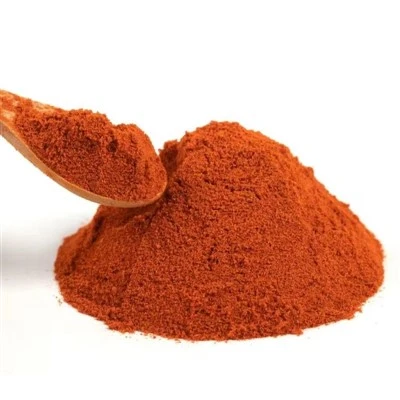

Health Risks of Impure Chili Powder
Consuming adulterated chili powder regularly can lead to:
1. Digestive discomfort and stomach irritation
2. Respiratory issues from inhaling fine gritty particles
3. Potential long-term risks from artificial unapproved colors
Pure chili powder uses only dried chili peppers, with no additives.
3 Quick Tests to Check Chili Purity
You can test purity at home in 1 minute:
1. Water Test: Mix 1 tsp powder in water. Pure chili floats slightly; gritty sediment means brick powder.
2. Color Test: If water turns bright red instantly, artificial dye is present.
3. Touch Test: Rub wet residue on your palm. Grit = sand/brick; soapy feel = soapstone.
How to Buy Pure Chili Powder
1. Choose branded products with clear ingredient lists
2. Check for bright natural red, not unnaturally vivid color
3. Smell for strong, spicy aroma; no dull or earthy odors
4. Prefer organic or certified options when possible
Conclusion
Not all chili powder is equal. Pure chili delivers better taste and safety, while adulterated products harm your cooking and health. Use the simple tests above to check your supply and choose clean, pure spices for your family.


