


As a seasoned line pepper supplier, I've witnessed a wide spectrum of line pepper qualities in the market. Identifying the signs of bad line pepper is crucial not only for consumers but also for businesses in the food industry. In this blog, I'll share my insights on what to look for when determining if line pepper has gone bad.

Visual Indicators
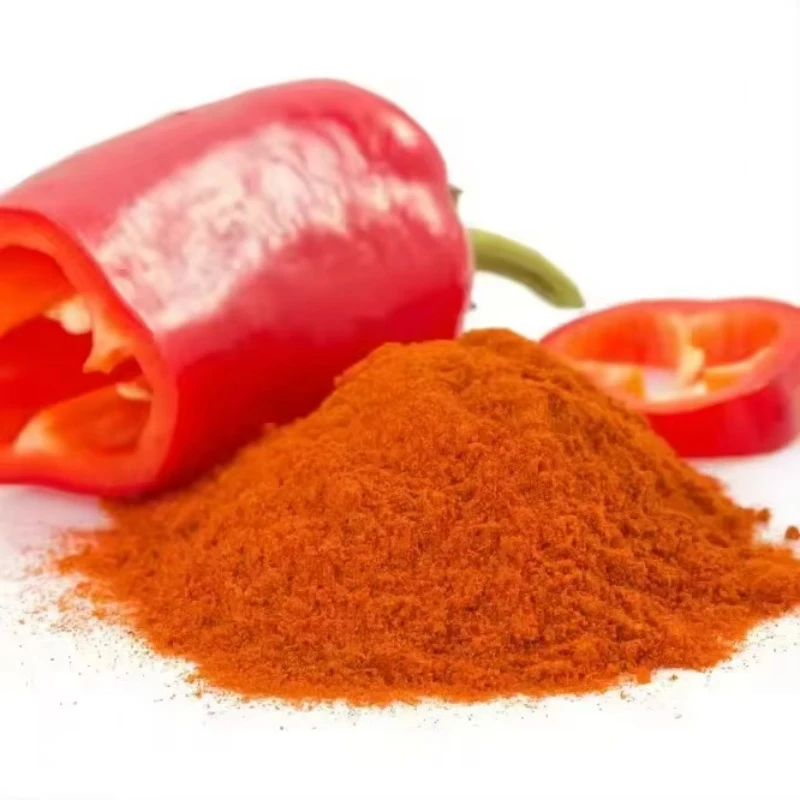
One of the first things to check is the appearance of the line pepper. Fresh line peppers typically have a vibrant color. For red line peppers, they should be a deep, rich red. If you notice any discoloration, such as brown or black spots, it's a clear sign of spoilage. These spots can indicate the presence of mold or bacteria, which can compromise the quality and safety of the pepper.
Another visual cue is the texture. Good line peppers are firm and plump. If the peppers feel soft, mushy, or shriveled, they are likely past their prime. Shriveling can occur due to dehydration, which can affect the flavor and nutritional value of the pepper. Additionally, if the peppers have a dull or faded appearance, it may suggest that they have been stored for too long or in improper conditions.
Aroma
The aroma of line pepper is another important indicator of its quality. Fresh line peppers have a distinct, spicy, and slightly sweet smell. If the peppers have a musty, sour, or unpleasant odor, it's a sign that they have gone bad. This off - smell can be caused by the growth of mold or the breakdown of the pepper's organic compounds.
When you're inspecting line peppers, take a moment to inhale their scent. If the aroma is weak or doesn't match the characteristic smell of fresh line pepper, it's best to avoid using them. The smell can also be affected by the storage environment. For example, if the peppers are stored in a humid or warm place, they are more likely to develop an off - odor.
Taste
Of course, the taste is the ultimate test of a line pepper's quality. Good line peppers have a sharp, spicy flavor with a hint of sweetness. If the pepper tastes bitter, sour, or has a flat flavor, it's a sign of poor quality. Bitterness can be a result of over - ripening or spoilage, while a flat flavor may indicate that the pepper has lost its essential oils and flavor compounds.
When tasting line pepper, start with a small amount. If the taste is not up to par, it's not worth using the rest of the pepper. Keep in mind that the taste can also vary depending on the variety of line pepper. Some varieties are naturally milder or spicier than others, so it's important to have a baseline understanding of the typical flavor profile of the line pepper you're using.
Packaging and Storage
The way line pepper is packaged and stored can also affect its quality. If the peppers are packaged in a sealed container, check for any signs of damage or leakage. A damaged package can allow air, moisture, and contaminants to enter, which can lead to spoilage.
Proper storage is essential for maintaining the quality of line pepper. Line peppers should be stored in a cool, dry place away from direct sunlight. If they are stored in the refrigerator, they should be placed in a plastic bag or container to prevent them from drying out. However, be aware that storing peppers in the refrigerator for too long can also affect their texture and flavor.
Contamination
Contamination is another issue to watch out for when it comes to line pepper. Peppers can be contaminated with pesticides, heavy metals, or other harmful substances. To ensure the safety of the line pepper, it's important to source them from a reputable supplier.
As a line pepper supplier, I take great care to ensure that our products are free from contamination. We follow strict quality control measures and work with farmers who use sustainable and safe farming practices. When you're purchasing line pepper, look for products that have been tested for contaminants and meet the relevant food safety standards.
Impact on Food Products
Using bad line pepper in food products can have a negative impact on their taste, appearance, and safety. In the food industry, the quality of ingredients is crucial for maintaining the integrity of the final product. If you're a chef or a food manufacturer, using spoiled line pepper can lead to customer complaints and damage to your brand reputation.
For example, if you're making a spicy sauce with bad line pepper, the sauce may have an off - flavor and a less appealing color. This can make the sauce less marketable and may result in lower sales. Similarly, if the line pepper is contaminated, it can pose a health risk to consumers, which can have serious legal and financial consequences for your business.
Our Product Range
At our company, we offer a wide range of high - quality line pepper products. Our High Quality Chili Powder is made from the finest line peppers, ensuring a rich, spicy flavor. We also have 5mm Chili Flakes, which are perfect for adding a bit of heat to your dishes. And for those who prefer a specific level of spiciness, our 4000 - 40000shu Chili Pepper products are a great choice.
We understand the importance of providing our customers with the best line pepper products. That's why we go the extra mile to ensure that our peppers are fresh, flavorful, and safe to use. Whether you're a home cook or a professional chef, our line pepper products can add a delicious and spicy kick to your meals.
Contact Us for Purchase
If you're interested in purchasing our high - quality line pepper products, we'd love to hear from you. We offer competitive prices, reliable shipping, and excellent customer service. Whether you need a small quantity for your home kitchen or a large order for your business, we can accommodate your needs.
Feel free to reach out to us to discuss your requirements and start a procurement negotiation. We're committed to building long - term relationships with our customers and providing them with the best possible products and services.
References
- "The Science of Spices" by Harold McGee
- "Food Safety and Quality Assurance in the Spice Industry" by various authors in the Journal of Food Science and Technology
- "Pepper Cultivation and Quality Control" by agricultural research institutions


