


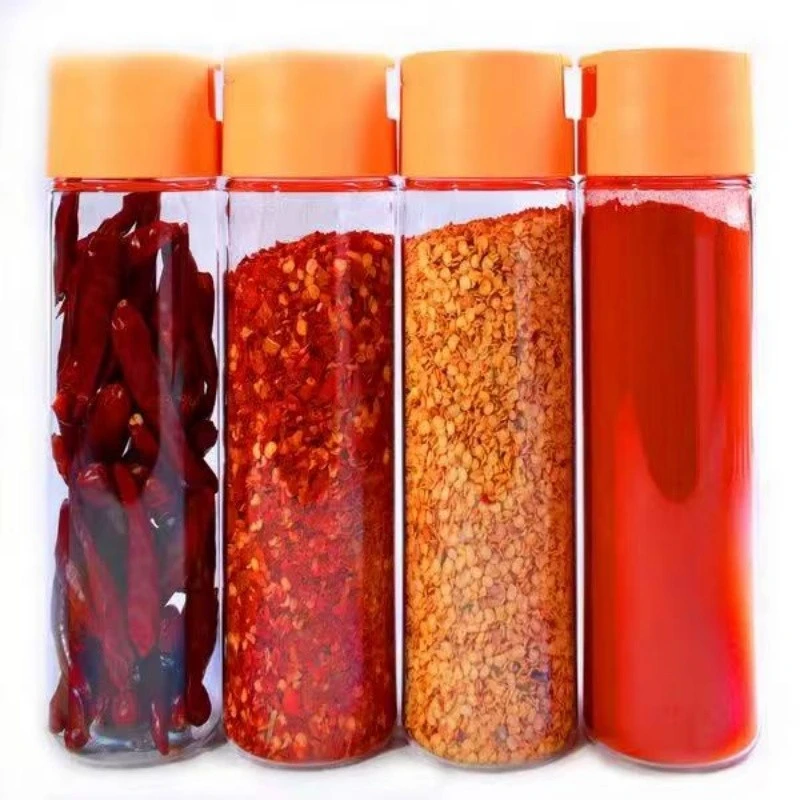
As a seasoned line pepper supplier, I've spent years delving into the intricacies of cultivating this vibrant and versatile crop. Line peppers, known for their distinct flavor and varying heat levels, have carved a niche in the culinary world, from 4000 - 40000shu Chili Pepper to High Quality Chili Powder and 5mm Chili Flakes. Understanding the optimal growing conditions is essential for producing peppers of the highest quality, and in this blog, I'll share the key factors that contribute to a successful line pepper harvest.
Climate Requirements
Line peppers thrive in warm, sunny climates, much like their pepper relatives. They require a long growing season, typically around 70 to 90 days from transplanting to harvest, depending on the variety. The ideal temperature range for germination is between 75°F and 85°F (24°C and 29°C). Once the seedlings are established, the plants can tolerate slightly cooler temperatures, but they still prefer daytime highs between 70°F and 85°F (21°C and 29°C) and nighttime lows above 60°F (16°C).
Exposure to sunlight is crucial for line pepper plants. They need at least 6 to 8 hours of direct sunlight per day to grow and produce fruit. In regions with intense summer heat, some afternoon shade can be beneficial to prevent sunscald on the peppers. However, too much shade can lead to leggy plants and reduced fruit production.
Soil Conditions
The right soil is the foundation for healthy line pepper plants. They prefer well - drained, fertile soil with a pH range between 6.0 and 7.0. A soil that is too acidic or alkaline can affect nutrient uptake, leading to stunted growth and poor fruit quality.
Organic matter plays a significant role in soil health. Adding compost, well - rotted manure, or other organic amendments to the soil before planting can improve its structure, water - holding capacity, and nutrient content. This provides a rich environment for the roots to grow and access essential minerals.
Line peppers have a relatively shallow root system, so the top few inches of soil are particularly important. Incorporating a slow - release fertilizer based on the soil test results can help ensure that the plants have a steady supply of nutrients throughout the growing season.
Watering
Proper watering is essential for line pepper plants. They need consistent moisture, but overwatering can be just as harmful as underwatering. During the germination and early growth stages, keep the soil evenly moist but not waterlogged. A soaker hose or drip irrigation system is ideal for delivering water directly to the soil around the plants, reducing the risk of fungal diseases.
As the plants mature and start to produce fruit, they will require more water. However, it's important to allow the soil to dry out slightly between waterings. This encourages the roots to grow deeper in search of moisture and helps prevent root rot.
In regions with high temperatures and low humidity, additional watering may be necessary. Mulching around the base of the plants can help retain soil moisture, reduce weed growth, and keep the soil temperature more consistent.
Fertilization
Line peppers are heavy feeders and require regular fertilization to produce a bountiful harvest. Before planting, incorporate a balanced fertilizer, such as a 10 - 10 - 10 or 14 - 14 - 14 formula, into the soil according to the package instructions. This provides a good foundation of nitrogen, phosphorus, and potassium.
During the growing season, side - dress the plants with a nitrogen - rich fertilizer every 3 to 4 weeks. This helps promote healthy foliage growth, which is essential for photosynthesis and fruit development. However, be careful not to over - fertilize with nitrogen, as this can lead to excessive leaf growth at the expense of fruit production.
In addition to the major nutrients, line peppers also benefit from micronutrients such as calcium, magnesium, and iron. These can be provided through the use of a complete fertilizer or by adding micronutrient supplements to the soil.
Pest and Disease Management
Like all crops, line peppers are susceptible to a variety of pests and diseases. Common pests include aphids, spider mites, and pepper weevils. These pests can damage the plants by sucking sap, chewing on leaves, or laying eggs in the fruit.
To manage pests, it's important to practice good garden hygiene. Remove any dead or diseased plant material, and keep the area around the plants free of weeds. This reduces hiding places for pests and helps prevent the spread of diseases.
Insecticidal soaps and neem oil can be effective natural remedies for controlling aphids and spider mites. For more severe infestations, chemical pesticides may be necessary, but it's important to use them according to the label instructions and with caution.
Diseases such as bacterial spot, powdery mildew, and verticillium wilt can also affect line pepper plants. To prevent these diseases, choose disease - resistant varieties, and avoid overhead watering, which can spread fungal spores. Crop rotation is another important practice, as it helps break the disease cycle in the soil.

Planting and Spacing
When starting line pepper plants from seeds, sow them indoors 8 to 10 weeks before the last expected frost date in your area. Use a seed - starting mix and keep the soil moist and warm until the seeds germinate. Once the seedlings have developed their first true leaves, they can be transplanted into larger containers.
When it's time to plant the seedlings outdoors, wait until all danger of frost has passed and the soil has warmed up. Space the plants 18 to 24 inches apart in rows that are 24 to 36 inches apart. This allows enough room for the plants to grow and spread, and it also provides good air circulation, which helps prevent disease.
Pruning and Support
Pruning can be beneficial for line pepper plants. Removing the lower leaves and any suckers that develop in the leaf axils can improve air circulation and reduce the risk of disease. It also allows the plant to focus its energy on fruit production.
Some line pepper varieties may require support, especially if they produce heavy fruit. Staking or using a tomato cage can help keep the plants upright and prevent the branches from breaking under the weight of the peppers.
Harvesting
Line peppers are ready to harvest when they reach their mature color, which can vary depending on the variety. They can be harvested at the green stage for a milder flavor or left on the plant to ripen to red, orange, or yellow for a sweeter and spicier taste.
Use a sharp pair of scissors or pruning shears to cut the peppers from the plant, leaving a short stem attached. This helps prevent damage to the plant and reduces the risk of disease.
Conclusion
Growing line peppers requires attention to detail and an understanding of their specific needs. By providing the right climate, soil, water, and nutrients, and by managing pests and diseases effectively, you can produce high - quality line peppers that are perfect for a variety of culinary applications.
If you're interested in sourcing top - notch line peppers, whether it's 4000 - 40000shu Chili Pepper, High Quality Chili Powder, or 5mm Chili Flakes, I'd love to have a conversation with you. Please reach out for purchasing discussions and let's explore how we can meet your line pepper needs.
References
- "Pepper Growing Guide." University of California Agriculture and Natural Resources.
- "Growing Hot Peppers." Old Farmer's Almanac.
- "Vegetable Gardening for Beginners." Rodale Institute.


