


Hey there! As a line pepper supplier, I've been getting tons of questions about the differences between line pepper and chili pepper. So, I thought I'd put together this blog post to clear things up.
Let's start with the basics. Both line peppers and chili peppers belong to the Capsicum genus, but they have some distinct characteristics that set them apart.
Appearance
One of the first things you'll notice is the appearance. Line peppers are typically long and slender, often resembling a thin, curved line (hence the name). They can vary in length, but they're usually longer than your average chili pepper. Their color can range from bright green when unripe to red, orange, or yellow when fully matured.
Chili peppers, on the other hand, come in a wide variety of shapes and sizes. You've got the round and plump jalapeños, the small and fiery Thai chilies, and the long and tapered Anaheim peppers, just to name a few. The color spectrum is also quite diverse, including green, red, brown, and even purple.
Heat Level
Now, let's talk about the heat. This is where things can get a bit tricky because both line peppers and chili peppers can pack a punch, but the intensity varies widely.
Line peppers generally have a mild to medium heat level. They're not going to blow your head off, but they'll definitely add a nice little kick to your dishes. The Scoville scale, which measures the spiciness of peppers, rates line peppers anywhere from a few hundred to a couple of thousand Scoville Heat Units (SHU). This makes them a great choice for people who like a bit of heat without going overboard.
Chili peppers, on the other hand, can range from mild to extremely hot. For example, bell peppers, which are technically a type of chili pepper, have a SHU of 0 because they don't have any capsaicin, the compound that gives peppers their heat. On the other end of the spectrum, you've got the Carolina Reaper, which holds the Guinness World Record for the hottest pepper in the world, with a SHU of over 2 million!
If you're looking for a chili pepper with a moderate heat level, you might want to check out the 4000 - 40000shu Chili Pepper. It's got just the right amount of spice to add some flavor to your cooking without overwhelming your taste buds.
Flavor Profile
In addition to heat, flavor is another important factor to consider. Line peppers have a unique, slightly sweet and tangy flavor that pairs well with a variety of dishes. They're often used in Mediterranean and Middle Eastern cuisine, where they add a fresh and vibrant taste to salads, sandwiches, and grilled meats.
Chili peppers, on the other hand, have a more complex flavor profile that can range from fruity and floral to earthy and smoky. The flavor can also be influenced by factors such as the growing conditions, the ripeness of the pepper, and the way it's prepared. For example, dried chili peppers tend to have a more concentrated and intense flavor than fresh ones.
Culinary Uses
Both line peppers and chili peppers are incredibly versatile in the kitchen. Line peppers are great for eating raw, either on their own as a snack or in salads. They can also be roasted, grilled, or sautéed and used in a variety of dishes, such as stir-fries, pasta sauces, and pizzas.
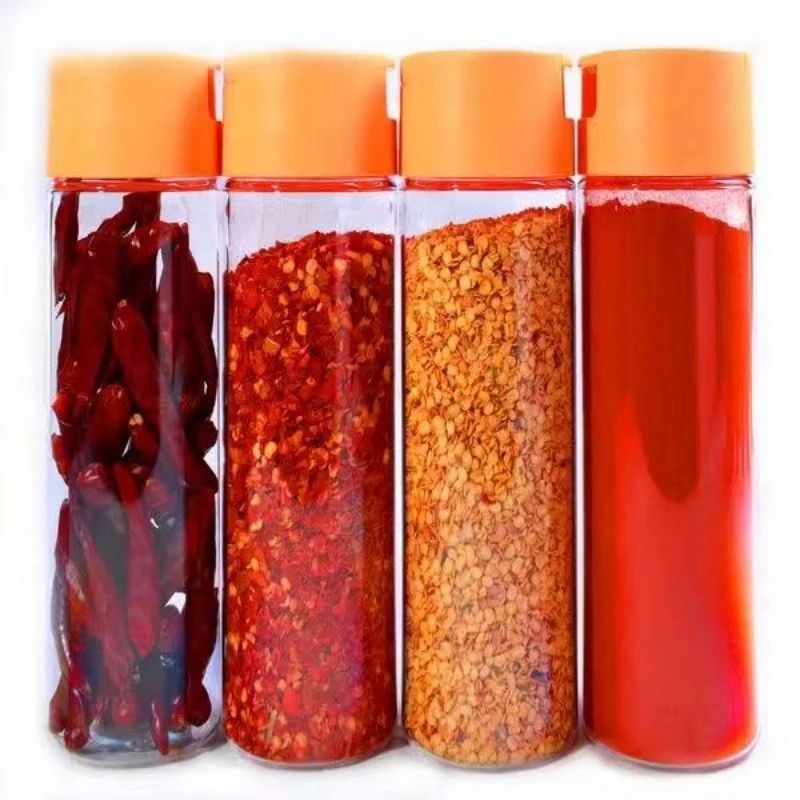
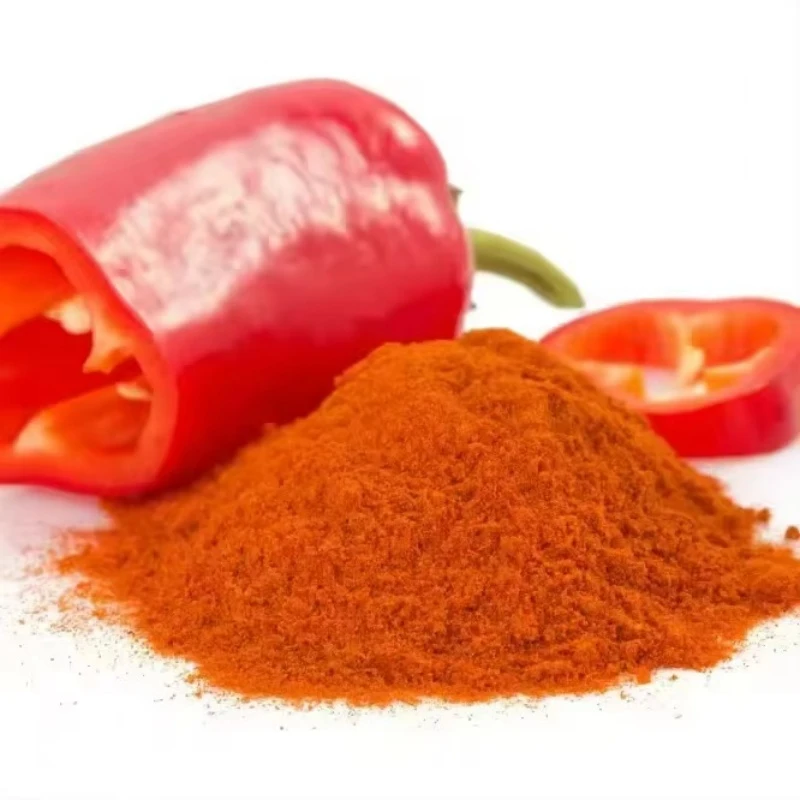
Chili peppers are commonly used to add heat and flavor to salsas, hot sauces, curries, and stews. They can also be dried and ground into powder, which is a popular ingredient in many spice blends. If you're looking for a convenient way to add some chili flavor to your cooking, you might want to check out our High Quality Chili Powder.
Another popular way to use chili peppers is to make chili flakes. Our 5mm Chili Flakes are made from high-quality chili peppers and are perfect for sprinkling on top of pizzas, pastas, and soups.
Nutritional Value
Both line peppers and chili peppers are packed with nutrients. They're a good source of vitamins A and C, which are important for maintaining healthy skin, eyes, and immune system. They also contain antioxidants, which can help protect your cells from damage and reduce the risk of chronic diseases.
In addition, chili peppers contain capsaicin, which has been shown to have several health benefits, including boosting metabolism, reducing inflammation, and relieving pain.
Conclusion
So, there you have it! The main differences between line peppers and chili peppers. While they share some similarities, they also have distinct characteristics that make them unique. Whether you're a fan of mild, sweet peppers or you like to live on the edge with super-hot chilies, there's a pepper out there for you.
If you're interested in purchasing line peppers or any of our other chili products, I'd love to hear from you. Just reach out to me, and we can start discussing your needs and preferences. Whether you're a restaurant owner, a food manufacturer, or just someone who loves to cook at home, I'm here to help you find the perfect peppers for your dishes.
Let's work together to take your culinary creations to the next level!
References
- "The Science of Spicy Food." National Geographic.
- "Peppers: The Domesticated Capsicums." Andrew F. Smith.


