


Hey there! I'm a supplier of line pepper, and I'm super excited to share with you all about how line pepper grows. It's not just a simple process; it's a journey full of care, patience, and a bit of science.
Starting with the Seeds
First things first, we begin with high - quality line pepper seeds. These seeds are like little treasures, and choosing the right ones is crucial. We source our seeds from reliable growers who have been in the business for years. They know what makes a great line pepper seed - things like disease resistance, high yield, and the right flavor profile.
Once we have the seeds, it's time to start the germination process. We plant the seeds in small trays filled with a special seed - starting mix. This mix is light, well - draining, and full of nutrients to give the seeds the best start. We keep the trays in a warm, humid environment, usually around 70 - 80°F (21 - 27°C). It's kind of like creating a cozy little home for the seeds. In about 7 - 10 days, we start to see tiny green sprouts popping up. It's such an exciting moment!
Transplanting the Seedlings
After the seedlings have grown a couple of inches tall and have a few sets of true leaves, it's time to transplant them. We move them from the small trays into larger pots or directly into the ground if the weather is right. Line peppers love warm weather, so we usually wait until all danger of frost has passed.
When transplanting, we handle the seedlings gently, being careful not to damage their delicate roots. We make sure to plant them at the right depth and give them plenty of space to grow. If we're planting in rows, we space the plants about 18 - 24 inches apart. This gives them enough room to spread out and get plenty of sunlight and air circulation.
The Growing Environment
Line peppers need a lot of sunlight. They thrive in full sun, which means at least 6 - 8 hours of direct sunlight per day. Sunlight is like fuel for the plants; it helps them produce energy through photosynthesis. Without enough sunlight, the plants may grow weak and produce fewer peppers.
In terms of soil, line peppers prefer well - drained soil that is rich in organic matter. We often add compost or aged manure to the soil before planting to improve its fertility. The soil should also have a pH level between 6.0 and 7.0, which is slightly acidic to neutral. We test the soil regularly to make sure it's in the right range.
Watering is another important aspect. Line peppers need consistent moisture, but they don't like to be waterlogged. We water the plants deeply once or twice a week, depending on the weather. During hot, dry spells, we may need to water more often. It's important to water at the base of the plant to avoid getting the leaves wet, which can lead to diseases.
Fertilizing the Plants
To keep the line pepper plants healthy and productive, we fertilize them regularly. We use a balanced fertilizer that contains nitrogen, phosphorus, and potassium. Nitrogen helps with leafy growth, phosphorus promotes root development and flower production, and potassium is important for overall plant health and disease resistance.
We usually start fertilizing the plants a few weeks after transplanting. We follow the instructions on the fertilizer package carefully to avoid over - fertilizing, which can damage the plants. As the plants start to flower and set fruit, we may switch to a fertilizer that is higher in phosphorus to encourage more peppers.
Pest and Disease Control
Like any plants, line peppers are susceptible to pests and diseases. Some common pests that attack line peppers include aphids, spider mites, and hornworms. We try to use natural methods of pest control first. For example, we may introduce beneficial insects like ladybugs, which eat aphids. We also use insecticidal soaps or neem oil, which are less harmful to the environment.
In terms of diseases, line peppers can be affected by things like bacterial spot, powdery mildew, and root rot. To prevent diseases, we make sure to plant in well - drained soil, space the plants properly, and keep the foliage dry. If we do notice signs of disease, we may use fungicides or other appropriate treatments.
Flowering and Fruit Set
After a few weeks of growth, the line pepper plants start to produce flowers. These flowers are small and white or purple, and they are really pretty. The flowers are important because they are the first step in the fruit - setting process.
For the flowers to turn into peppers, they need to be pollinated. This can happen naturally through the wind or with the help of pollinators like bees. Once the flowers are pollinated, they start to develop into small green peppers. At first, the peppers are very tiny, but they grow quickly.

Harvesting the Line Peppers
Line peppers are ready to be harvested when they reach their full size and have the right color. Most line peppers start out green and then turn red, orange, or yellow as they mature. The exact time for harvesting depends on the variety of line pepper and the desired level of ripeness.
We use a pair of sharp scissors or pruning shears to cut the peppers from the plant. It's important to be gentle when harvesting to avoid damaging the plant. We usually harvest the peppers every few days to encourage more fruit production.
Processing the Line Peppers
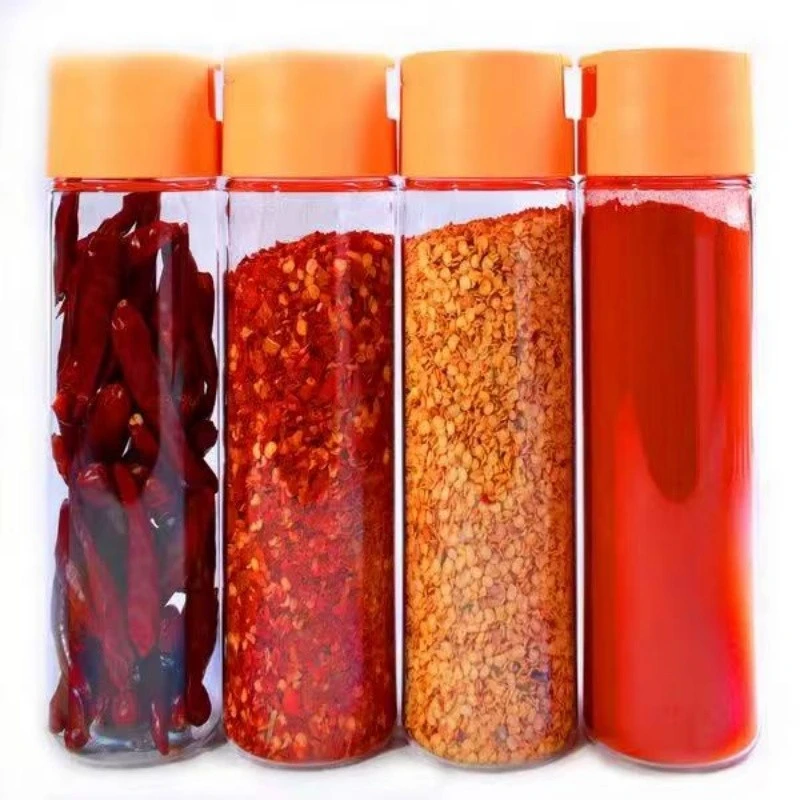
Once we've harvested the line peppers, we have a few options for processing them. We can sell them fresh, or we can turn them into products like High Quality Chili Powder, 5mm Chili Flakes, or 4000 - 40000shu Chili Pepper.
To make chili powder, we dry the peppers and then grind them into a fine powder. For chili flakes, we cut the dried peppers into small pieces. These processed products have a longer shelf life and are popular among our customers.
Contact for Purchase
If you're interested in buying our line peppers, whether fresh or processed, we'd love to hear from you. We offer high - quality products at competitive prices. Just reach out to us, and we can start discussing your needs and how we can work together.
References
- "The Vegetable Gardener's Bible" by Edward C. Smith
- "Peppers: The Domesticated Capsicums" by Paul W. Bosland and E. J. Votava


