


Can pepper be used in sushi? That's a question I've been asked quite a bit lately, especially since I'm in the pepper supply business. As someone who's spent years dealing with all kinds of peppers, from the mildest to the spiciest, I'm more than happy to dive into this topic.
First off, let's talk about traditional sushi. Sushi has a long - standing history in Japanese cuisine, and the classic combinations are well - established. Usually, sushi is made with raw fish, vinegared rice, and a few simple toppings like seaweed, cucumber, or avocado. Traditionalists might turn their noses up at the idea of adding pepper to sushi because it's not part of the original recipe. In Japan, wasabi is the go - to spicy condiment for sushi. It's a type of Japanese horseradish that gives a sharp, sinus - clearing kick.
But here's the thing: the world of food is constantly evolving. People are always looking for new flavors and ways to mix things up. And that's where pepper comes in. There are so many different types of peppers out there, each with its own unique flavor profile.
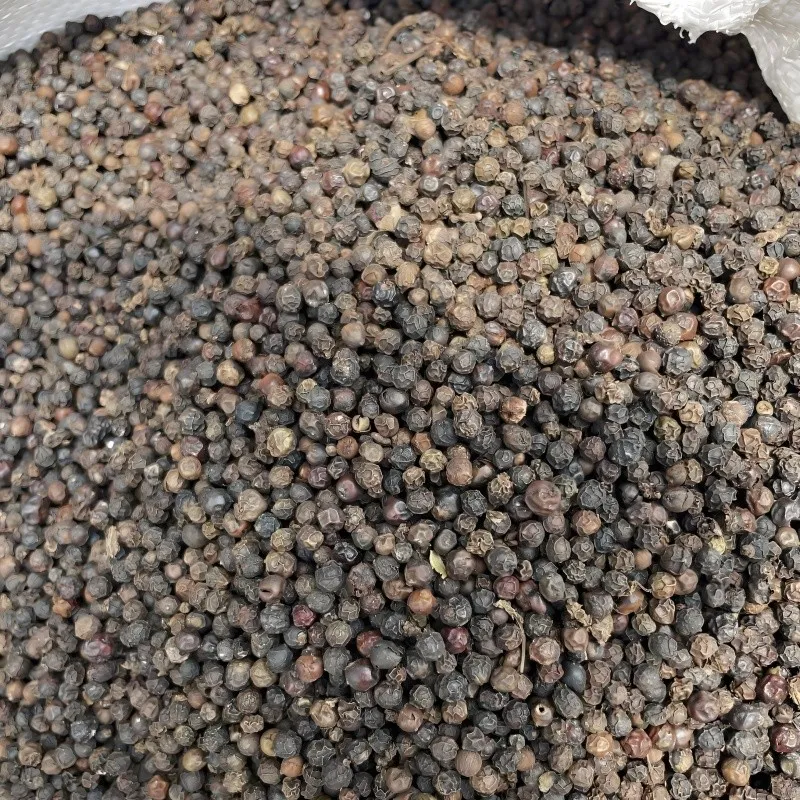
Let's start with black pepper. Black pepper is one of the most common spices in the world. It has a warm, pungent flavor with a bit of a bite. When it comes to sushi, a little sprinkle of Black Pepper Granules can add an interesting depth of flavor. For example, if you're making a sushi roll with fatty fish like tuna or salmon, the black pepper can cut through the richness. The granules can also add a nice textural element to the otherwise soft and smooth sushi.
White pepper, on the other hand, has a more subtle flavor. It's made from the inner part of the pepper berry after the outer skin has been removed. White Pepper Powder has a milder, earthier taste compared to black pepper. It can be a great option for those who want to add a hint of spiciness without overpowering the delicate flavors of the fish. White pepper can work really well in sushi rolls with vegetables or lighter fish varieties like flounder or sole.
Then there are the spicier peppers like chili peppers. Adding a touch of chili pepper to sushi can create a real flavor explosion. You could use chili flakes or a chili - based sauce to give your sushi a fiery kick. But be careful, though, because too much chili can completely overshadow the other flavors in the sushi. It's all about finding the right balance.
Now, let's think about the cultural aspect. In some parts of the world, especially in Western countries, fusion cuisine is really popular. People are used to combining different flavors from various cuisines. So, adding pepper to sushi might not seem as strange in these places. It's a way to put a new spin on a classic dish.
But even in Japan, the food scene is changing. There are now many modern sushi restaurants that are experimenting with different ingredients and flavors. Some might offer sushi with a pepper - infused sauce or a sprinkle of pepper on top as a special option.
Another thing to consider is the health benefits of pepper. Peppers are packed with vitamins and antioxidants. For example, black pepper contains a compound called piperine, which has been shown to have anti - inflammatory and antioxidant properties. So, adding a little pepper to your sushi not only makes it taste good but can also be good for you.
When it comes to using pepper in sushi, there are a few tips I'd like to share. First, start with a small amount. You can always add more, but it's hard to take it away if you've added too much. Second, consider the type of sushi you're making. Fatty fish can handle a stronger pepper flavor, while lighter fish and vegetables might need a more delicate touch. And third, don't be afraid to experiment. Try different types of peppers and see which ones you like best.
If you're a sushi chef or just someone who loves making sushi at home, and you're interested in trying out different peppers in your sushi, I'd love to help. As a pepper supplier, I have access to a wide range of high - quality peppers. Whether you're looking for the classic black pepper granules or the more subtle white pepper powder, I can provide you with the perfect product for your sushi creations.
If you're interested in learning more or want to start a procurement discussion, feel free to reach out. I'm always happy to talk about peppers and how they can enhance your sushi.
In conclusion, while pepper might not be a traditional ingredient in sushi, there's no reason why you can't use it. With the right approach, pepper can add a whole new dimension of flavor to this beloved dish. So, go ahead and give it a try!
References

- "The Science of Spice: Understanding the Flavors of Peppers" - Food Science Journal
- "Sushi: A Cultural and Culinary Exploration" - Japanese Cuisine Magazine


