


Can pepper be used in pasta dishes? This is a question that has intrigued food enthusiasts and chefs alike for quite some time. As a pepper supplier, I've had the privilege of exploring the diverse applications of pepper in various cuisines, and pasta dishes are no exception. In this blog, I'll delve into the world of pepper and its compatibility with pasta, sharing insights, tips, and recommendations along the way.
Pepper, a staple in many kitchens around the world, comes in various forms, including black, white, green, and red. Each type of pepper offers a unique flavor profile, ranging from mild and earthy to spicy and pungent. These distinct flavors can add depth, complexity, and a touch of heat to pasta dishes, elevating them from ordinary to extraordinary.
Let's start by examining the most common types of pepper used in cooking: black and white pepper. Black pepper, derived from the dried unripe berries of the Piper nigrum plant, is known for its sharp, spicy flavor and aroma. It's a versatile ingredient that can be used in a wide range of dishes, including pasta. When added to pasta, black pepper can enhance the overall flavor of the dish, adding a subtle kick that balances out the richness of the sauce and the pasta itself.
White pepper, on the other hand, is made from the ripe berries of the same plant, with the outer skin removed. It has a milder, more delicate flavor than black pepper, with a slightly earthy and musty undertone. White pepper is often used in dishes where a more subtle flavor is desired, such as cream-based pasta sauces or light, delicate pasta dishes.
Now, let's explore how pepper can be used in different types of pasta dishes.
1. Tomato-Based Pasta Sauces
Tomato-based pasta sauces are a classic favorite, and pepper can be a great addition to enhance their flavor. Whether you're making a simple marinara sauce or a more complex Bolognese sauce, a sprinkle of black or white pepper can add a layer of depth and complexity. Black pepper pairs particularly well with the acidity of tomatoes, helping to balance out the flavors and add a touch of heat. White pepper, on the other hand, can be used to add a more subtle flavor to the sauce, especially if you're looking for a more refined taste.
For example, when making a marinara sauce, you can add a teaspoon of freshly ground black pepper to the onions and garlic as they sauté. This will infuse the sauce with a warm, spicy flavor that complements the tomatoes perfectly. If you prefer a milder flavor, you can use white pepper instead. Simply add a pinch of white pepper powder White Pepper Powder to the sauce towards the end of the cooking process to add a subtle, earthy note.
2. Cream-Based Pasta Sauces
Cream-based pasta sauces, such as Alfredo sauce or carbonara, are rich and indulgent, and pepper can help to cut through the richness and add a bit of balance. Black pepper can be used to add a spicy kick to the sauce, while white pepper can be used to add a more delicate flavor.
When making an Alfredo sauce, for example, you can add a teaspoon of freshly ground black pepper to the butter and garlic as they melt in the pan. This will infuse the sauce with a warm, spicy flavor that complements the creaminess of the sauce. If you prefer a milder flavor, you can use white pepper instead. Simply add a pinch of white pepper powder to the sauce towards the end of the cooking process to add a subtle, earthy note.
3. Pesto Pasta
Pesto, a sauce made from basil, garlic, pine nuts, Parmesan cheese, and olive oil, is a popular choice for pasta dishes. Pepper can be a great addition to pesto, adding a layer of complexity and a touch of heat. Black pepper pairs particularly well with the fresh, herbal flavor of basil, helping to balance out the flavors and add a bit of depth.
To make a pepper-infused pesto, simply add a teaspoon of freshly ground black pepper to the basil, garlic, pine nuts, and Parmesan cheese in a food processor. Pulse the ingredients until they are well combined, then slowly pour in the olive oil while the processor is running. The result is a delicious, spicy pesto that can be used to top your favorite pasta dishes.
4. Seafood Pasta
Seafood pasta dishes, such as shrimp scampi or lobster pasta, are light, fresh, and flavorful, and pepper can be a great addition to enhance the taste. Black pepper can be used to add a spicy kick to the seafood, while white pepper can be used to add a more delicate flavor.
When making a shrimp scampi, for example, you can add a teaspoon of freshly ground black pepper to the garlic and butter as they sauté in the pan. This will infuse the sauce with a warm, spicy flavor that complements the sweetness of the shrimp. If you prefer a milder flavor, you can use white pepper instead. Simply add a pinch of white pepper powder to the sauce towards the end of the cooking process to add a subtle, earthy note.
In addition to the types of pepper mentioned above, there are also other varieties of pepper that can be used in pasta dishes, such as green pepper and red pepper. Green pepper, which is made from unripe berries, has a fresh, slightly sweet flavor and a milder heat than black pepper. Red pepper, which is made from ripe berries, has a more intense flavor and a higher level of heat. Both green and red pepper can be used to add a unique flavor and a touch of heat to pasta dishes.

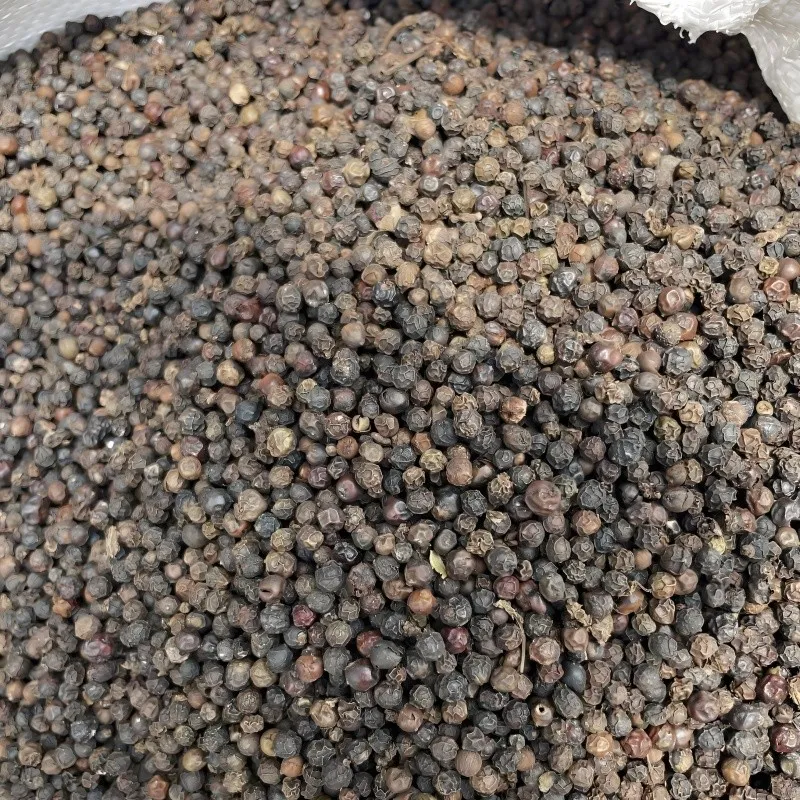
When using pepper in pasta dishes, it's important to remember that a little goes a long way. Start with a small amount of pepper and gradually add more to taste. You can also experiment with different types of pepper and combinations of pepper to find the flavor that you like best.
In conclusion, pepper can definitely be used in pasta dishes, and it can add a lot of flavor and complexity to your favorite recipes. Whether you're using black, white, green, or red pepper, there are many ways to incorporate this versatile spice into your pasta dishes. So, the next time you're making pasta, don't be afraid to add a sprinkle of pepper and see how it enhances the flavor of your dish.
If you're interested in purchasing high-quality pepper for your pasta dishes or other culinary creations, I invite you to contact me for more information. As a pepper supplier, I offer a wide range of pepper products, including White Pepper Powder and Black Pepper Granules, at competitive prices. I'm always happy to help you find the perfect pepper for your needs and answer any questions you may have.
References
- McGee, H. (2004). On Food and Cooking: The Science and Lore of the Kitchen. Scribner.
- Ruhlman, M., & Polcyn, B. (2009). Charcuterie: The Craft of Salting, Smoking, and Curing. W. W. Norton & Company.
- The Food Lab: Better Home Cooking Through Science by J. Kenji López-Alt


