


As a seasoned zanthoxylum supplier, I've spent years immersed in the world of this remarkable spice. Zanthoxylum, commonly known as Sichuan pepper, is a staple in many cuisines, renowned for its unique numbing and citrusy flavor. One of the most frequently asked questions I encounter is, "When is the best time to harvest zanthoxylum?" In this blog post, I'll share my insights based on years of experience and scientific knowledge to help you understand the optimal harvesting time for this precious spice.
Understanding Zanthoxylum Growth Cycle
Before delving into the best harvesting time, it's essential to understand the growth cycle of zanthoxylum. Zanthoxylum plants typically go through several stages: germination, vegetative growth, flowering, and fruiting. The growth cycle can vary depending on the species, climate, and growing conditions.
The vegetative growth stage is characterized by the development of leaves and branches. During this phase, the plant focuses on building its structure and accumulating energy. The flowering stage usually occurs in the spring or early summer, when the plant produces small, fragrant flowers. These flowers are pollinated by insects, leading to the formation of fruits.
The fruiting stage is the most crucial period for zanthoxylum growers. This is when the fruits develop and mature, eventually reaching their peak flavor and quality. The duration of the fruiting stage can vary, but it generally lasts for several weeks to a few months.
Factors Affecting Harvest Time
Several factors influence the best time to harvest zanthoxylum. These include:
- Species: Different species of zanthoxylum have different maturation times. For example, Zanthoxylum bungeanum, one of the most commonly cultivated species, typically matures in late summer or early fall.
- Climate: The climate plays a significant role in determining the harvest time. In regions with a warm and sunny climate, zanthoxylum fruits may mature earlier than in cooler regions. Additionally, rainfall and humidity can affect the growth and development of the fruits.
- Growing Conditions: The quality of the soil, the amount of sunlight, and the availability of water and nutrients can all impact the maturation of zanthoxylum fruits. Well - drained soil, adequate sunlight, and proper irrigation are essential for healthy plant growth and optimal fruit development.
- Desired Flavor Profile: The flavor of zanthoxylum can change depending on the stage of maturity. Some consumers prefer a more intense and numbing flavor, which is often associated with fully matured fruits. Others may prefer a milder flavor, which can be achieved by harvesting the fruits slightly earlier.
Determining the Optimal Harvest Time
To determine the best time to harvest zanthoxylum, growers typically rely on a combination of visual cues and taste tests. Here are some signs to look for:
- Color: As zanthoxylum fruits mature, they change color from green to red or brown, depending on the species. Fully matured fruits are usually a deep, rich color.
- Texture: The texture of the fruits can also indicate their maturity. Mature fruits are firm but not hard, and they should have a slightly wrinkled appearance.
- Aroma: The aroma of zanthoxylum fruits becomes more intense as they mature. When the fruits are ready for harvest, they should have a strong, fragrant smell.
- Taste: Conducting a taste test is one of the most reliable ways to determine the optimal harvest time. Sampling a few fruits can help you assess their flavor and numbing effect.
In general, the best time to harvest zanthoxylum is when the fruits are fully mature but still fresh. This usually occurs in late summer or early fall, depending on the species and growing conditions.
Importance of Timely Harvesting
Harvesting zanthoxylum at the right time is crucial for ensuring the highest quality and flavor of the spice. If the fruits are harvested too early, they may lack the characteristic numbing effect and flavor. On the other hand, if they are harvested too late, the fruits may become over - mature, resulting in a loss of flavor and a decrease in quality.
Timely harvesting also helps to prevent damage to the fruits. Over - ripe fruits are more susceptible to pests and diseases, which can reduce the yield and quality of the harvest. By harvesting the fruits at the optimal time, growers can maximize their yield and ensure a high - quality product for their customers.

Processing Zanthoxylum After Harvest
Once the zanthoxylum fruits are harvested, they need to be processed promptly to preserve their flavor and quality. The first step is to remove the fruits from the branches and separate them from any debris or leaves.
After cleaning, the fruits can be dried using various methods, such as sun - drying or mechanical drying. Drying helps to reduce the moisture content of the fruits, which extends their shelf life and enhances their flavor.
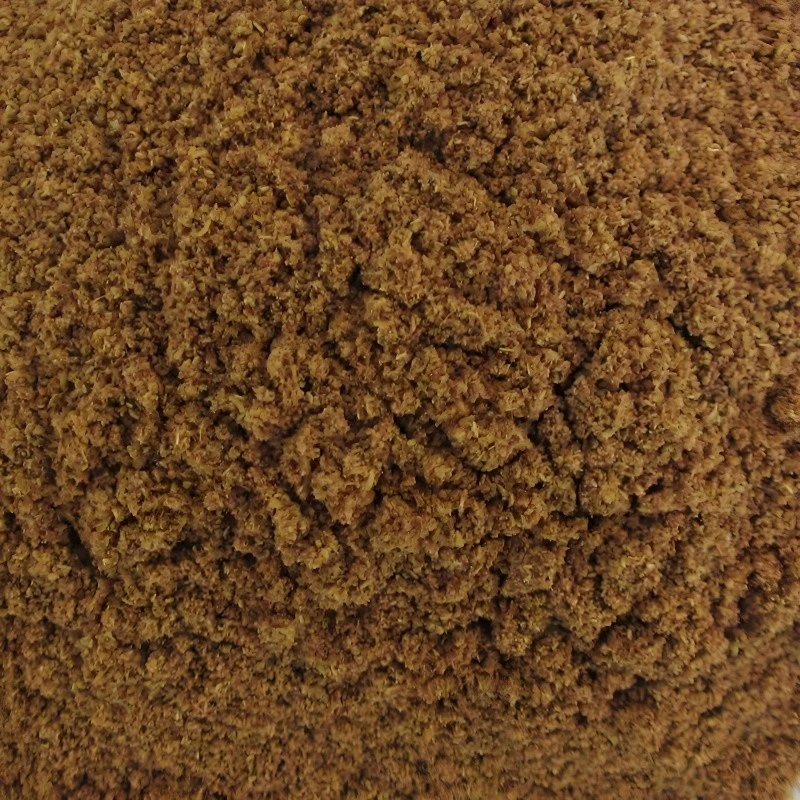
Once the fruits are dried, they can be further processed into various forms, such as whole peppercorns, ground powder, or essential oil. Ground Sichuan Peppercorns and Dried Sichuan Pepper Powder are popular choices for culinary use, as they are convenient and easy to incorporate into a variety of dishes.
Conclusion
As a zanthoxylum supplier, I understand the importance of harvesting this precious spice at the right time. The optimal harvest time depends on several factors, including the species, climate, growing conditions, and desired flavor profile. By paying attention to visual cues, conducting taste tests, and harvesting the fruits at the peak of their maturity, growers can ensure a high - quality product that is rich in flavor and aroma.
If you're interested in purchasing zanthoxylum products for your business or personal use, I invite you to contact me to discuss your specific needs. Whether you're looking for whole peppercorns, ground powder, or other zanthoxylum products, I can provide you with the highest quality spices at competitive prices. Let's start a conversation about how we can work together to meet your zanthoxylum needs.
References
- "The Cultivation and Utilization of Zanthoxylum Species" - A scientific research paper on zanthoxylum cultivation.
- "Spices of the World: A Guide to Flavors and Uses" - A comprehensive guide to various spices, including zanthoxylum.
- Personal experience and knowledge gained from years of working as a zanthoxylum supplier.


