


Yo, what's up everyone! I'm a supplier of line pepper, and I'm stoked to take you on a wild ride through the history of this amazing spice. Line pepper, also known as long pepper, has been around for ages and has a rich and fascinating backstory.
Let's start way back in ancient times. Line pepper has its roots in South Asia, specifically in India. It was one of the earliest spices to be traded, and it quickly became a hot commodity in the ancient world. The ancient Greeks and Romans were big fans of line pepper. They used it not only in cooking but also for its supposed medicinal properties. It was believed to help with digestion, treat coughs, and even ward off evil spirits. Can you imagine popping a few line peppers to keep the bad vibes away?

As trade routes expanded, line pepper made its way to other parts of the world. It reached the Middle East, where it became an essential ingredient in many traditional dishes. The Arabs were particularly fond of it and used it in their spice blends, like baharat. From there, it spread to North Africa and eventually to Europe during the Middle Ages.
During the Middle Ages, line pepper was a luxury item. It was so valuable that it was often used as a form of currency. Merchants would trade it for other goods, and it was even used to pay taxes. The high demand for line pepper led to the exploration of new trade routes, which ultimately led to the discovery of the Americas.
When Christopher Columbus set sail in search of a new route to the spice-rich East Indies, he was actually looking for line pepper and other spices. Instead, he stumbled upon the Americas and discovered a whole new world of spices, including chili peppers. But line pepper still held its own in the culinary world.
In the 16th century, the Portuguese established trading posts in India and began exporting line pepper to Europe on a large scale. This made it more accessible and affordable for the general population. Line pepper started to appear in cookbooks and recipes across Europe, and it became a staple in many kitchens.
Fast forward to the modern era, and line pepper is still going strong. It's used in a wide variety of cuisines around the world, from Indian and Thai to Mexican and Italian. It adds a unique flavor and a bit of heat to dishes, making it a favorite among chefs and home cooks alike.
Now, let's talk about the different forms of line pepper that I offer as a supplier. I've got some amazing products that you're gonna love. First up, we have the 4000 - 40000shu Chili Pepper. These peppers have a nice range of heat, so you can choose the level that suits your taste buds. They're perfect for making spicy sauces, marinades, or just adding a kick to your favorite dishes.
Next, we have the 5mm Chili Flakes. These flakes are a convenient way to add a bit of line pepper flavor to your food. You can sprinkle them on pizzas, pastas, or even popcorn for a delicious snack. They're also great for making your own spice blends at home.
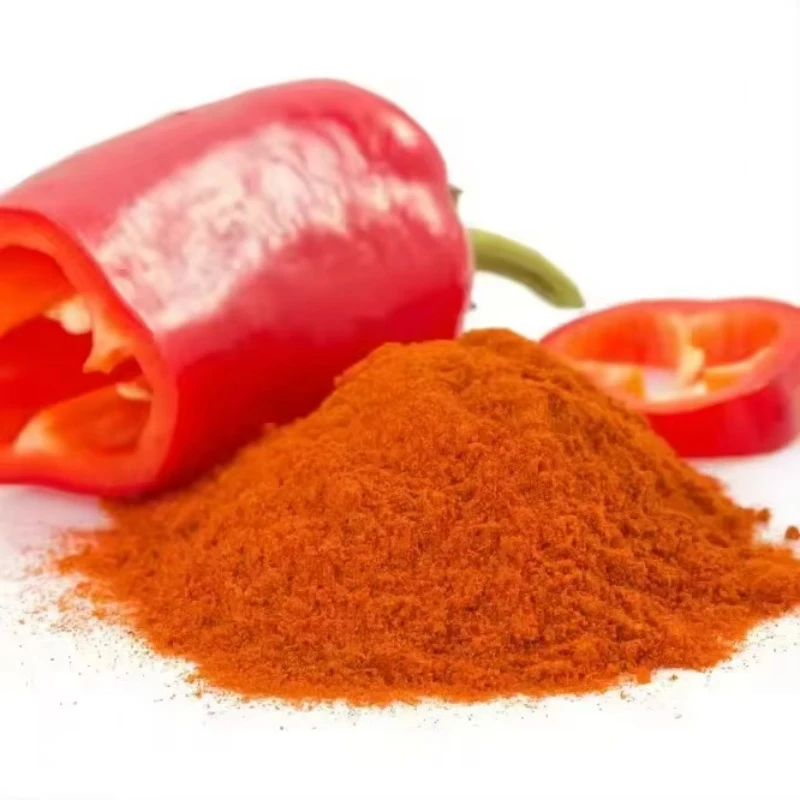
And last but not least, we have the High Quality Chili Powder. This powder is made from ground line peppers and is a versatile ingredient. You can use it in rubs for meats, in soups and stews, or even in baking to add a little bit of heat to your desserts.
If you're a chef, a restaurant owner, or just a home cook looking to add some excitement to your meals, I'd love to hear from you. I'm here to provide you with the highest quality line pepper products at competitive prices. Whether you need a small amount for your home kitchen or a large quantity for your business, I've got you covered.
So, what are you waiting for? Reach out to me and let's start a conversation about how we can work together. I'm looking forward to hearing from you and helping you take your culinary creations to the next level.
References:
- "The History of Spices" by Mark Pendergrast
- "Spice: The History of a Temptation" by Jack Turner
- Various historical and culinary research articles on line pepper and spice trade.


