


Zanthoxylum, commonly known as Sichuan pepper, is a spice that has a long - standing history not only in Asian cuisine but also in Middle Eastern cooking. As a zanthoxylum supplier, I've had the privilege of exploring its traditional uses in the Middle Eastern culinary landscape. In this blog, I'll take you on a journey through the various ways zanthoxylum has been incorporated into Middle Eastern dishes over the years.
1. Historical Significance in Middle Eastern Trade
The use of zanthoxylum in the Middle East can be traced back to ancient trade routes. The Silk Road, which connected the East and the West, played a crucial role in the spread of this unique spice. Traders from Asia brought zanthoxylum to the Middle East, where it gradually found its way into local kitchens. Its distinct flavor and potential health benefits made it an attractive addition to the region's diverse spice palette.
In historical records, zanthoxylum was often mentioned in conjunction with other spices like cinnamon, cardamom, and cloves. These spices were highly prized and used not only for cooking but also in traditional medicine and religious ceremonies. The Middle Eastern people were quick to adopt zanthoxylum, integrating it into their existing culinary traditions.
2. Flavor Profile and Its Role in Middle Eastern Cuisine
Zanthoxylum has a flavor that is quite unlike any other spice. It has a numbing, tingling sensation on the tongue, which is caused by the presence of hydroxy - alpha - sanshool. This unique characteristic adds a layer of complexity to Middle Eastern dishes.
In Middle Eastern cuisine, flavor is king. Dishes are known for their bold and aromatic profiles, and zanthoxylum fits right in. It can be used to balance the richness of meats, the sweetness of fruits, and the sharpness of pickles. For example, when used in meat dishes, the numbing effect of zanthoxylum can cut through the fattiness, making the overall flavor more harmonious.
3. Traditional Uses in Middle Eastern Dishes
Meat Dishes
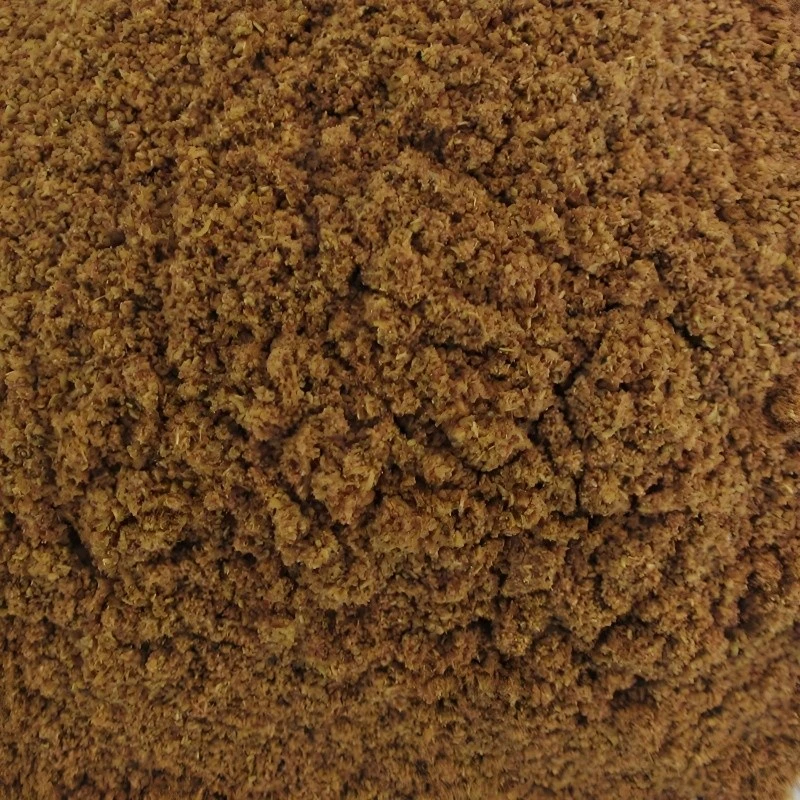
One of the most common uses of zanthoxylum in Middle Eastern cuisine is in meat preparations. In kebabs, which are a staple in the region, zanthoxylum can be added to the spice rub. The spice rub typically includes a blend of cumin, coriander, paprika, and zanthoxylum. Dried Sichuan Pepper Powder can be easily incorporated into this mixture, giving the kebabs a unique, tingling kick.
Roasted meats also benefit from the addition of zanthoxylum. When roasting lamb or beef, a sprinkle of Ground Sichuan Peppercorns on the meat before cooking can enhance the flavor and create a delicious crust. The numbing effect of zanthoxylum pairs well with the savory and juicy nature of the roasted meat.
Rice and Grain Dishes
Zanthoxylum can also be used in rice and grain dishes. In pilafs, which are popular in many Middle Eastern countries, a small amount of zanthoxylum can be added to the cooking water or the spice mixture. This adds a subtle, yet distinct flavor to the rice, making it more interesting and complex.
Couscous, another Middle Eastern staple, can also be enhanced with zanthoxylum. A pinch of zanthoxylum powder can be mixed with the couscous grains before cooking, infusing them with its unique flavor. The combination of the light, fluffy couscous and the zanthoxylum's numbing effect creates a delightful eating experience.
Spice Blends
Middle Eastern cuisine is famous for its spice blends, such as baharat and za'atar. Zanthoxylum can be a valuable addition to these blends. In baharat, which is a versatile spice mix used in many dishes, zanthoxylum can add a new dimension of flavor. The combination of zanthoxylum with other spices like cinnamon, nutmeg, and allspice creates a complex and aromatic blend that can be used in everything from stews to soups.

Za'atar, a popular herb - and - spice mixture, can also be enhanced with zanthoxylum. The addition of zanthoxylum to the traditional za'atar blend of thyme, oregano, sumac, and sesame seeds gives it a modern twist, making it more exciting and unique.
4. Health Benefits and Its Traditional Use in Middle Eastern Medicine
In addition to its culinary uses, zanthoxylum has been used in traditional Middle Eastern medicine. It is believed to have digestive properties. The numbing effect of zanthoxylum can help soothe an upset stomach and stimulate digestion. In Middle Eastern folk medicine, a tea made from zanthoxylum was often used to treat indigestion and other digestive ailments.
Zanthoxylum is also rich in antioxidants, which can help protect the body against free radicals and reduce the risk of chronic diseases. In a region where traditional medicine and natural remedies are highly valued, the use of zanthoxylum in both cooking and medicine shows its importance in Middle Eastern culture.
5. Modern Adaptations in Middle Eastern Cuisine
In recent years, there has been a trend of modernizing Middle Eastern cuisine. Chefs are experimenting with new flavors and ingredients, and zanthoxylum has found its way into many contemporary Middle Eastern dishes.
Fusion restaurants in the Middle East are combining traditional Middle Eastern flavors with elements of Asian cuisine, and zanthoxylum is a key ingredient in these experiments. For example, a modern - day shawarma might be made with a zanthoxylum - infused sauce, adding a new and exciting flavor to the classic dish.
6. As a Zanthoxylum Supplier: Why Choose Our Product
As a zanthoxylum supplier, I understand the importance of quality. Our zanthoxylum is sourced from the best farms, where it is grown using sustainable and traditional methods. We ensure that our product is fresh, aromatic, and of the highest quality.
We offer a variety of zanthoxylum products, including Dried Sichuan Pepper Powder and Ground Sichuan Peppercorns, which are perfect for both home cooks and professional chefs. Whether you're looking to add a new flavor to your Middle Eastern dishes or experiment with modern fusion cuisine, our zanthoxylum products are the perfect choice.
7. Connect with Us for Procurement
If you're interested in incorporating zanthoxylum into your culinary offerings, whether you're a restaurant owner, a food manufacturer, or a home cook, I encourage you to reach out to us. We're here to provide you with the best zanthoxylum products and to support you in your culinary journey. Let's start a conversation about how our zanthoxylum can elevate your Middle Eastern cuisine to new heights.
References
- "Spices of the Middle East" by John Thorne. This book provides a comprehensive overview of the spices used in Middle Eastern cuisine and their historical significance.
- "The History of Trade Routes" by Mary Smith. It details the role of trade routes like the Silk Road in the spread of spices around the world.
- "Traditional Middle Eastern Medicine" by Ahmed Hassan. This resource explores the use of natural ingredients, including zanthoxylum, in Middle Eastern traditional medicine.


