


Topical application of natural substances has long been a part of skincare and traditional medicine practices around the world. Among these natural ingredients, zanthoxylum, commonly known as Sichuan pepper, has gained increasing attention not only for its culinary uses but also for its potential effects on the skin. As a zanthoxylum supplier, I've witnessed growing curiosity about how this unique spice interacts with the skin when applied topically, and in this blog, I'll delve into the scientific aspects of this phenomenon.

Chemical Composition of Zanthoxylum
Zanthoxylum contains a rich array of bioactive compounds that contribute to its various properties. The primary bioactive components include alkaloids, such as hydroxy-α-sanshool, which is responsible for the characteristic tingling sensation associated with Sichuan pepper. Other compounds present in zanthoxylum are flavonoids, terpenoids, and essential oils. These compounds have been studied for their antioxidant, anti - inflammatory, and antimicrobial properties, which are all relevant to skin health.
Antioxidant Effects on the Skin
Oxidative stress is a major contributor to skin aging, as it can damage skin cells and lead to the formation of wrinkles, fine lines, and age spots. The antioxidants in zanthoxylum, such as flavonoids and terpenoids, can help neutralize free radicals in the skin. Free radicals are unstable molecules that can cause oxidative damage to cellular components, including DNA, proteins, and lipids. By scavenging these free radicals, the antioxidants in zanthoxylum may protect the skin from premature aging and maintain its youthful appearance.
For example, a study published in a leading dermatological research journal found that certain plant - derived antioxidants similar to those in zanthoxylum could enhance the skin's natural defense mechanisms against oxidative stress. When applied topically, these antioxidants were able to reduce the levels of reactive oxygen species in the skin, leading to a more even skin tone and improved texture. Although specific studies on zanthoxylum's direct antioxidant effects on the skin are scarce, its chemical composition suggests that it has the potential to offer similar antioxidant benefits.
Anti - Inflammatory Properties
Inflammation is a natural immune response in the body, but chronic inflammation in the skin can lead to various skin conditions, such as acne, eczema, and psoriasis. The alkaloids and essential oils in zanthoxylum have shown anti - inflammatory properties in pre - clinical studies. These compounds can inhibit the production of pro - inflammatory cytokines, which are signaling molecules that trigger inflammation in the body.
For instance, hydroxy - α - sanshool, one of the main alkaloids in zanthoxylum, has been found to modulate the activity of immune cells involved in the inflammatory response. By reducing the production of cytokines like tumor necrosis factor - alpha (TNF - α) and interleukin - 6 (IL - 6), it can potentially alleviate inflammation in the skin. This makes zanthoxylum a promising ingredient for topical formulations aimed at treating inflammatory skin conditions.
Antimicrobial Activity
The skin is constantly exposed to a variety of microorganisms, including bacteria, fungi, and viruses. Some of these microorganisms can cause skin infections and other problems. Zanthoxylum has demonstrated antimicrobial activity against several common skin pathogens.
The essential oils in zanthoxylum have been shown to have antibacterial properties against Staphylococcus aureus, a bacterium that can cause skin infections such as boils and cellulitis. Additionally, zanthoxylum has also shown antifungal activity against Candida albicans, a fungus that can cause skin and nail infections. By inhibiting the growth of these pathogens, zanthoxylum may help in preventing and treating skin infections when applied topically.
Potential Side Effects
While zanthoxylum has several potential benefits for the skin, it's important to note that it may also cause some side effects in certain individuals. The tingling sensation caused by hydroxy - α - sanshool can be intense, and some people may experience skin irritation or allergic reactions when zanthoxylum is applied topically. It's always advisable to perform a patch test on a small area of the skin before using any zanthoxylum - based topical product.
Applications in Skincare
Given its antioxidant, anti - inflammatory, and antimicrobial properties, zanthoxylum can be incorporated into various skincare products. For example, it could be used in creams and lotions to protect the skin from oxidative stress and reduce inflammation. It could also be included in facial masks to provide a refreshing and rejuvenating effect.
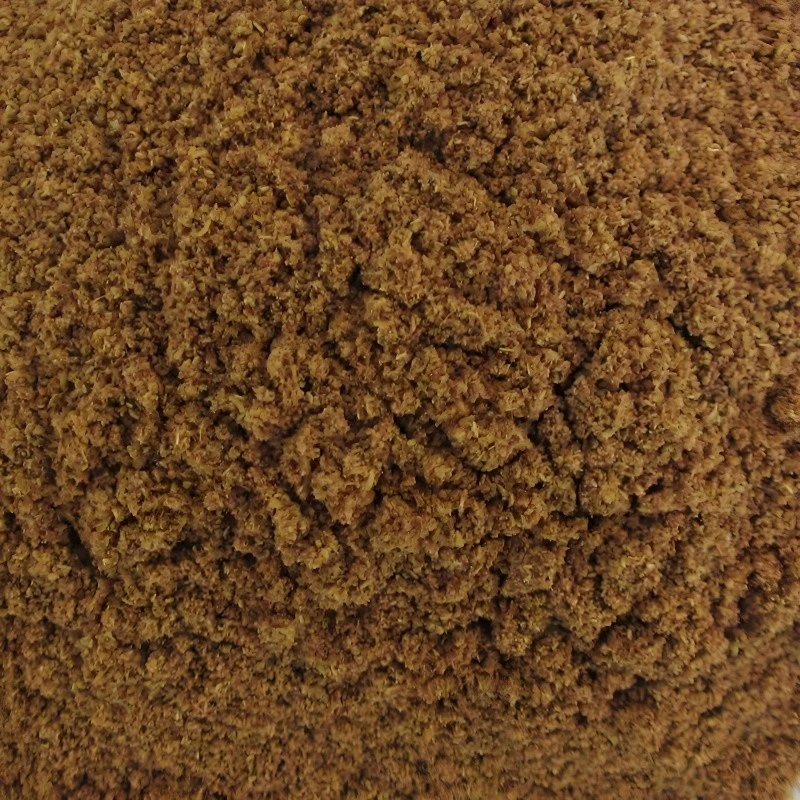
If you're interested in exploring zanthoxylum for your skincare formulations, we offer high - quality Dried Sichuan Pepper Powder and Ground Sichuan Peppercorns. Our products are sourced from the best zanthoxylum farms and processed to retain their maximum bioactive properties.
Conclusion
In conclusion, zanthoxylum has the potential to offer several benefits for the skin when applied topically. Its antioxidant, anti - inflammatory, and antimicrobial properties make it a valuable ingredient for skincare products. However, as with any natural ingredient, it's important to use it with caution and be aware of potential side effects.
If you're a skincare manufacturer, formulator, or simply interested in incorporating zanthoxylum into your own skincare recipes, we'd love to discuss your needs. Contact us to start a conversation about how our high - quality zanthoxylum products can meet your requirements and contribute to the development of effective skincare solutions.
References
- Research on plant - derived antioxidants and skin aging, Journal of Dermatological Research.
- Studies on the anti - inflammatory effects of hydroxy - α - sanshool, International Journal of Immunopharmacology.
- Antimicrobial activity of zanthoxylum essential oils, Journal of Applied Microbiology.


