


Star anise, a distinct and aromatic spice, has long been a staple in both culinary and medicinal applications. As a star anise supplier, I've witnessed firsthand the growing interest in this unique spice, as well as the curiosity about its substitutes. In this blog post, I'll explore how star anise compares to its substitutes in terms of taste, helping you make informed decisions for your cooking and business needs.
The Flavor Profile of Star Anise
Star anise, scientifically known as Illicium verum, is named for its star-shaped pods that contain small, shiny seeds. It has a strong, sweet, and licorice-like flavor with a hint of warmth and spice. This flavor is quite intense, so a little goes a long way. When used in cooking, star anise can add depth and complexity to both sweet and savory dishes.
In Asian cuisine, especially Chinese and Vietnamese, star anise is a key ingredient in five-spice powder, which is used to season meats, stir-fries, and soups. It's also commonly used in braised dishes, where its flavor can penetrate the meat and infuse it with a rich, aromatic taste. In sweet dishes, star anise can be used to flavor desserts like custards, puddings, and fruit compotes, adding a unique and exotic twist.
The flavor of star anise is derived from anethole, a compound that gives it its characteristic licorice taste. Anethole is also found in other spices and herbs, such as fennel, anise seed, and licorice root, which are often used as substitutes for star anise.
Common Star Anise Substitutes
There are several substitutes for star anise, each with its own unique flavor profile. Here are some of the most common ones:
Anise Seed
Anise seed comes from the Pimpinella anisum plant and has a similar licorice-like flavor to star anise. However, the flavor of anise seed is milder and more delicate. It's often used in baking, particularly in cookies, cakes, and breads, as well as in liqueurs like absinthe and ouzo. When substituting anise seed for star anise, use about three times the amount of anise seed as you would star anise, as its flavor is less concentrated.
Fennel Seed
Fennel seed is another popular substitute for star anise. It has a sweet, licorice-like flavor with a hint of citrus. Fennel seed is commonly used in Italian and Mediterranean cuisine, where it's added to sausages, stews, and salads. It can also be used in baking and as a flavoring for tea. When using fennel seed as a substitute for star anise, use a 1:1 ratio, as the flavors are relatively similar in intensity.
Licorice Root
Licorice root has a strong, sweet, and licorice-like flavor. It's often used in herbal teas, candies, and cough syrups. Licorice root can be used as a substitute for star anise in both sweet and savory dishes, but its flavor is very intense, so use it sparingly. When substituting licorice root for star anise, use about half the amount of licorice root as you would star anise.
Chinese Five-Spice Powder
Chinese five-spice powder is a blend of star anise, cinnamon, cloves, fennel seed, and Sichuan peppercorns. If you don't have star anise on hand, you can use Chinese five-spice powder as a substitute. However, keep in mind that Chinese five-spice powder has a more complex flavor profile than star anise alone, as it contains other spices. Use about half the amount of Chinese five-spice powder as you would star anise, as the other spices in the blend will also contribute to the flavor.
Taste Comparison
Now that we've looked at the flavor profiles of star anise and its substitutes, let's compare them in more detail.
Intensity
Star anise has a very intense flavor, which can be overpowering if used in large quantities. Anise seed and fennel seed have milder flavors, while licorice root has a flavor that is even more intense than star anise. Chinese five-spice powder has a medium intensity, as it contains a blend of spices.
Sweetness
Star anise has a sweet, licorice-like flavor. Anise seed and fennel seed also have a sweet flavor, but it's less pronounced than that of star anise. Licorice root is extremely sweet, while Chinese five-spice powder has a balanced sweetness due to the presence of cinnamon and other spices.
Complexity
Star anise has a relatively simple flavor profile, dominated by its licorice taste. Anise seed and fennel seed also have relatively simple flavors, while licorice root has a more one-dimensional sweet and licorice flavor. Chinese five-spice powder, on the other hand, has a very complex flavor profile, with the combination of different spices creating a rich and multi-layered taste.
Versatility
Star anise is very versatile and can be used in a wide range of dishes, both sweet and savory. Anise seed is commonly used in baking and liqueurs, while fennel seed is more commonly used in savory dishes. Licorice root is mainly used in herbal teas and candies. Chinese five-spice powder is also very versatile and can be used in a variety of Asian and other cuisines.
When to Use Star Anise vs. Substitutes
The choice between using star anise or its substitutes depends on several factors, including the dish you're making, your personal taste preferences, and the availability of ingredients.
For Authentic Asian Dishes
If you're making an authentic Asian dish, such as Chinese five-spice braised pork or Vietnamese pho, it's best to use star anise. The unique flavor of star anise is an essential part of these dishes and using a substitute may result in a less authentic taste. You can find high-quality star anise in the form of Octagonal Tree Fruit or Star Anise Powder from our supply.
When Star Anise is Unavailable
If you don't have star anise on hand, you can use one of the substitutes mentioned above. Anise seed and fennel seed are good options for most dishes, while licorice root is better suited for sweet dishes. Chinese five-spice powder can be used as a substitute in a pinch, but keep in mind that it has a more complex flavor profile.
For Milder Flavors
If you prefer a milder licorice flavor, anise seed or fennel seed may be a better choice than star anise. They can add a subtle licorice note to your dishes without overpowering the other flavors.
For Complex Flavors
If you're looking for a more complex flavor profile, Chinese five-spice powder is a great option. It can add depth and richness to your dishes, especially in Asian and other cuisines.
Conclusion
In conclusion, star anise has a unique and intense flavor that is difficult to replicate. However, there are several substitutes available that can be used in a pinch or to achieve a different flavor profile. Anise seed, fennel seed, licorice root, and Chinese five-spice powder all have their own characteristics and can be used in various dishes.

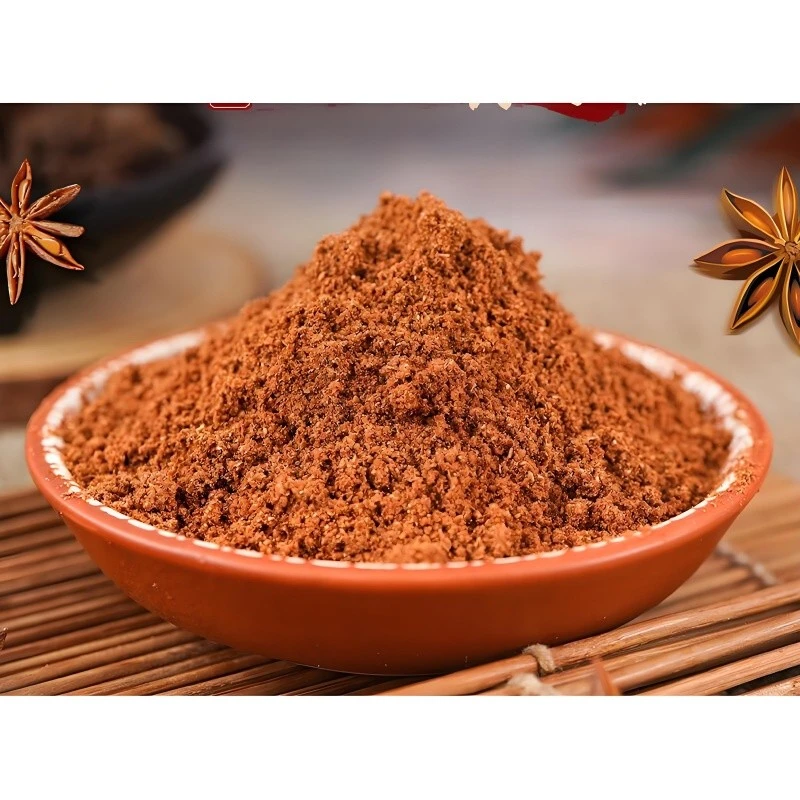
As a star anise supplier, I recommend using star anise whenever possible to experience its authentic flavor. Our Octagonal Tree Fruit and Star Anise Powder are of the highest quality, sourced from reliable growers and processed to preserve their flavor and aroma.
If you're interested in purchasing star anise for your business or personal use, please don't hesitate to contact us for more information and to discuss your procurement needs. We're here to provide you with the best products and service to meet your requirements.
References
- McGee, H. (2004). On Food and Cooking: The Science and Lore of the Kitchen. Scribner.
- Tan, C. T., & Van Wyk, B.-E. (2016). Medicinal Plants of Asia and the Pacific: Drugs for the Future?. Springer.


