


Pepper is a key ingredient in many cuisines, adding a unique flavor and aroma that can transform a dish from ordinary to extraordinary. As a pepper supplier, I've had the privilege of exploring the diverse ways pepper interacts with other ingredients, especially in the context of pizza. In this blog post, I'll delve into the fascinating relationship between pepper and tomatoes on pizza, exploring the science, flavor profiles, and practical considerations that make this combination so appealing.
The Science Behind the Interaction
At the heart of the pepper - tomato interaction on pizza lies a complex interplay of chemical compounds. Tomatoes are rich in umami - the savory fifth taste - due to the presence of glutamic acid. This umami flavor is complemented by the pungency of pepper.
Pepper contains piperine, the compound responsible for its characteristic heat and spiciness. When piperine comes into contact with the taste receptors on our tongues, it stimulates a mild pain response, which is perceived as heat. This heat can enhance the perception of other flavors in the pizza, including the sweetness and acidity of the tomatoes.
The acidity of tomatoes, mainly due to citric and malic acids, also plays a crucial role. The acidic environment can help to release the volatile compounds in pepper, intensifying its aroma. These volatile compounds, such as limonene and pinene, contribute to the fresh, citrusy, and slightly woody notes in pepper, which pair beautifully with the earthy and tangy flavors of tomatoes.
Flavor Profiles
The combination of pepper and tomatoes on pizza creates a multi - dimensional flavor profile. The tomatoes provide a base of sweet, tangy, and savory flavors. The natural sugars in tomatoes caramelize slightly during the baking process, adding a depth of sweetness. The acidity cuts through the richness of the cheese and other toppings, keeping the pizza from feeling too heavy.
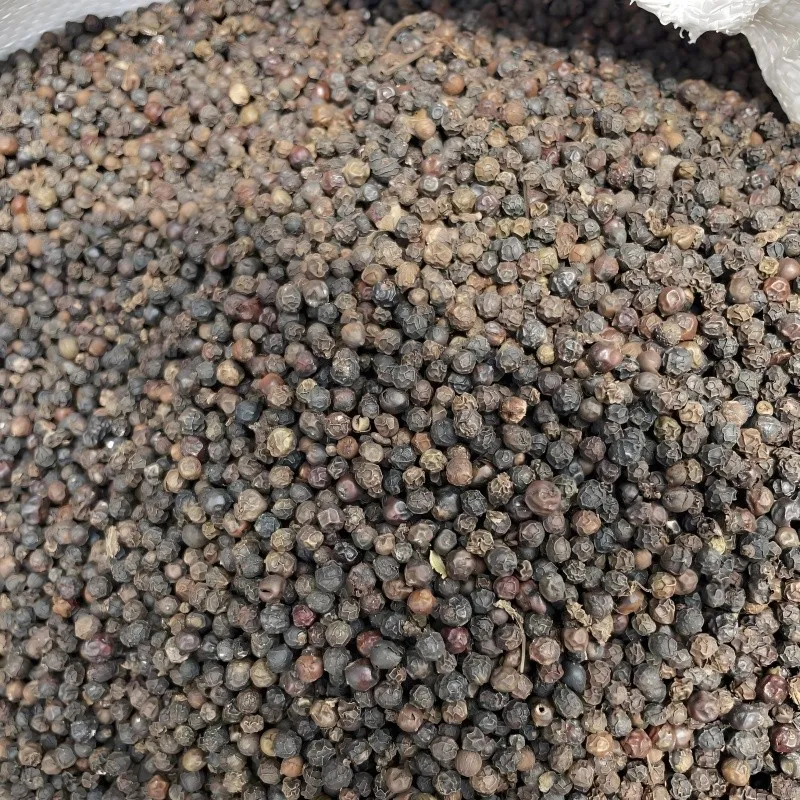
Pepper, on the other hand, adds a layer of complexity. Black pepper, with its bold and robust flavor, offers a sharp, spicy kick that can wake up the taste buds. It has a slightly earthy undertone that pairs well with the earthiness of tomatoes. You can find high - quality Black Pepper Granules that can elevate the flavor of your pizza.
White pepper, with its more subtle and refined flavor, has a milder heat and a slightly musty, nutty aroma. It can blend more seamlessly into the tomato sauce, adding a gentle spiciness without overpowering the other flavors. White Pepper Powder is an excellent choice for those who prefer a more delicate pepper flavor on their pizza.
Practical Considerations
When it comes to using pepper on pizza, there are several practical considerations. The first is the form of pepper. Whole peppercorns can be used to infuse the tomato sauce with flavor during the cooking process. Simply crush a few peppercorns and add them to the sauce as it simmers. This allows the flavors to meld together, creating a more complex and well - rounded sauce.
Ground pepper, whether black or white, is more commonly used as a finishing touch. Sprinkle a light dusting of pepper over the pizza just before serving to add a fresh burst of flavor. The heat and aroma of the pepper are at their peak when it is freshly ground, so using a pepper mill is recommended for the best results.
The amount of pepper used is also important. Too little pepper, and the flavor may be underwhelming. Too much, and it can overpower the other ingredients. A general rule of thumb is to start with a small amount and adjust according to personal taste. For a standard 12 - inch pizza, a 1/4 to 1/2 teaspoon of ground pepper is usually a good starting point.
Regional Variations
Different regions around the world have their own unique takes on the pepper - tomato pizza combination. In Italy, the birthplace of pizza, the use of pepper is often more subtle. Italian pizzas typically feature a simple tomato sauce made from San Marzano tomatoes, which are known for their sweet and tangy flavor. A light dusting of black pepper is added to enhance the natural flavors of the tomatoes and other toppings, such as fresh mozzarella and basil.
In the United States, pizza has evolved into a more diverse and creative cuisine. Some American pizzerias use a more liberal amount of pepper, especially in spicy tomato - based pizzas. These pizzas may also incorporate other spicy ingredients, such as jalapenos or red pepper flakes, to create a more intense flavor experience.
The Role of Pepper in Pizza Toppings
Pepper not only interacts with tomatoes in the sauce but also plays a role in other pizza toppings. For example, pepper can be used to season meats like pepperoni or sausage. The spiciness of the pepper can cut through the fattiness of the meats, making them more palatable.
In vegetarian pizzas, pepper can enhance the flavors of vegetables. It pairs well with mushrooms, onions, and bell peppers, adding a layer of complexity to the overall flavor profile of the pizza.
Health Benefits
In addition to its flavor - enhancing properties, pepper also offers several health benefits. Piperine, the active compound in pepper, has been shown to have antioxidant and anti - inflammatory properties. It may also aid in digestion by stimulating the production of digestive enzymes.
Tomatoes are rich in vitamins A, C, and K, as well as potassium and lycopene, an antioxidant that has been linked to a reduced risk of certain cancers and heart disease. The combination of pepper and tomatoes on pizza can, therefore, be a delicious and nutritious choice.

Conclusion
The interaction between pepper and tomatoes on pizza is a beautiful example of how different ingredients can come together to create a harmonious and delicious dish. The science behind their interaction, the diverse flavor profiles, and the practical considerations all contribute to the enduring popularity of this combination.
As a pepper supplier, I'm passionate about providing high - quality pepper products that can take your pizza to the next level. Whether you're a home cook or a professional pizzeria owner, I invite you to explore the world of pepper and discover the unique flavors it can bring to your tomato - based pizzas.
If you're interested in purchasing our pepper products for your pizza business or home cooking, I encourage you to reach out for a procurement discussion. We're committed to offering the best quality pepper at competitive prices and providing excellent customer service.
References
- McGee, Harold. "On Food and Cooking: The Science and Lore of the Kitchen." Scribner, 2004.
- "The Flavor Bible: The Essential Guide to Culinary Creativity, Based on the Wisdom of America's Most Imaginative Chefs." By Karen Page and Andrew Dornenburg. Clarkson Potter, 2008.
- "The Science of Pizza" by Scott Wiener. Ten Speed Press, 2018.


