


Hey there! As a bay leaf supplier, I've always been fascinated by the rich symbolism and cultural significance these little leaves hold across different parts of the world. Bay leaves, also known as laurel leaves, aren't just a staple in the kitchen; they've got a long - standing history in various cultures, each with its own unique take on what these leaves represent.
Let's start with ancient Greece. In Greek mythology, the laurel tree was sacred to Apollo, the god of music, prophecy, and healing. The story goes that Daphne, a nymph, was being chased by Apollo. To escape him, she pleaded with her river - god father to transform her into a laurel tree. Apollo, in his grief and admiration, decided to make the laurel his sacred tree. From then on, laurel wreaths were awarded to victors in athletic competitions, like the ancient Olympics. These wreaths were a symbol of honor, glory, and achievement. It was a way to recognize the best of the best, and the bay leaf, being part of the laurel, carried that same sense of prestige. Even today, when we talk about someone "resting on their laurels," we're referring back to this ancient Greek tradition of using laurel as a symbol of success. If you're interested in the type of bay leaves that might have been used in those ancient wreaths, check out Bay Laurel.
Moving on to Rome, the Romans adopted a lot of Greek culture, and the symbolism of the bay leaf was no exception. Laurel wreaths were worn by emperors, generals, and other high - ranking officials. They were a sign of power, authority, and divine favor. The Romans believed that the bay leaf had protective qualities. They would burn bay leaves in their homes to ward off evil spirits and diseases. It was like a natural form of spiritual and physical protection. In the Roman kitchen, bay leaves were also used to flavor food, but their use went beyond just taste. They were seen as a way to bring good luck and prosperity to the meal and the household.
In the Middle East, bay leaves have a different kind of symbolism. They're often associated with hospitality. When you're invited to a Middle Eastern home, you might notice bay leaves being used in cooking. It's a way for the host to show that they're welcoming you with open arms and providing you with a warm, nourishing meal. The aroma of bay leaves in a stew or a rice dish is comforting and inviting, much like the hospitality of the people. In some Middle Eastern cultures, bay leaves are also used in traditional medicine. They're believed to have properties that can aid digestion and relieve pain.
Now, let's talk about European folklore. In many European countries, bay leaves were used in love spells. Young women would place a bay leaf under their pillow at night, hoping to dream of their future husbands. It was a romantic and superstitious use of the leaves. Bay leaves were also thought to have the power to break curses. If someone believed they were under a spell, they might burn a bay leaf and let the smoke fill the room, believing that it would dispel the negative energy.
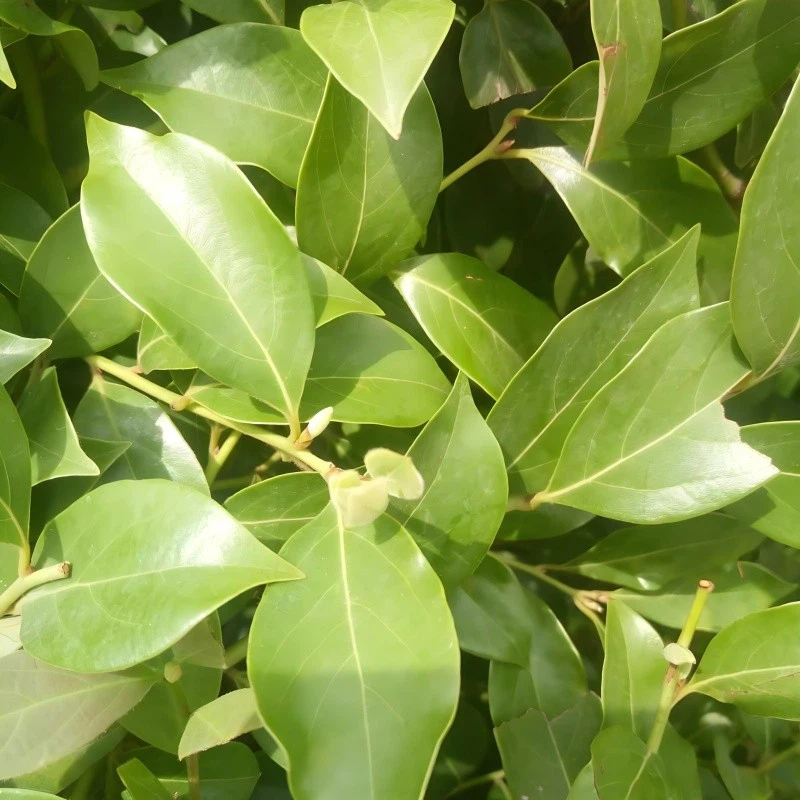
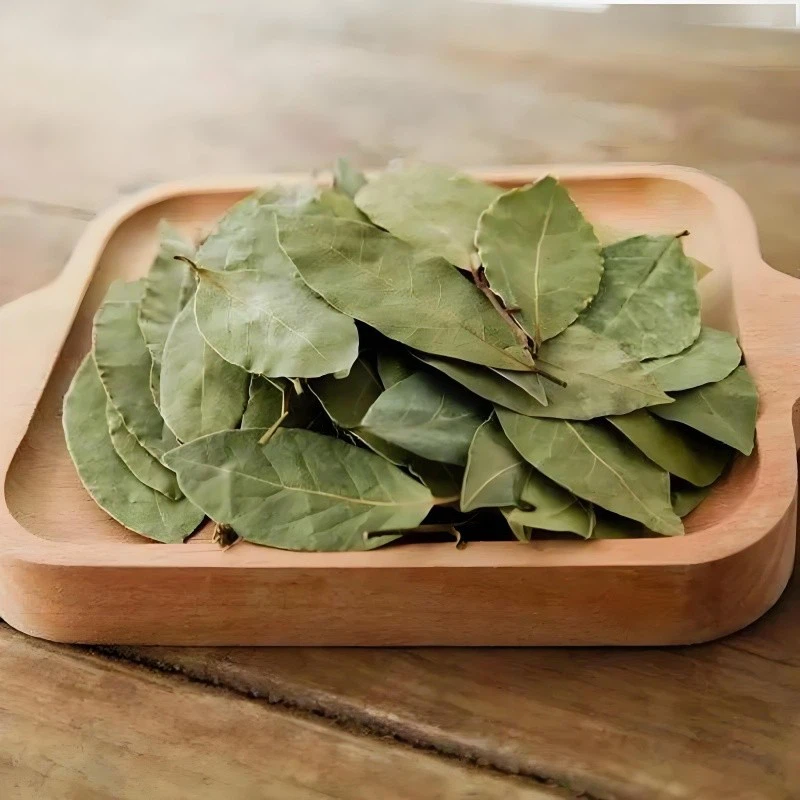
In the kitchen, the bay leaf is a global superstar. It's used in cuisines all over the world, from French bouillabaisse to Indian biryani. In French cuisine, bay leaves are a key ingredient in the bouquet garni, a bundle of herbs used to flavor stocks, soups, and stews. The French appreciate the subtle, earthy flavor that bay leaves add to their dishes. In Indian cuisine, bay leaves are used to add a layer of complexity to curries and rice dishes. They're often toasted in oil at the beginning of the cooking process to release their essential oils and enhance their flavor. If you're looking for high - quality dried bay leaves for your cooking adventures, check out Dried Laurel Leaves.
The cultural significance of bay leaves also extends to religious practices. In some Christian traditions, bay leaves are used as a symbol of victory over sin. Just like the laurel wreaths in ancient times represented victory in competitions, the bay leaf in a religious context represents the spiritual victory of the faithful. In some churches, bay leaves might be used in incense or as part of a ceremonial decoration.
As a bay leaf supplier, I find it amazing how these small leaves can carry so much meaning across different cultures. Whether it's the honor and glory of ancient Greece, the power and protection of Rome, the hospitality of the Middle East, or the romance of European folklore, bay leaves have a story to tell.
If you're a chef, a home cook, or someone interested in using bay leaves for their cultural or medicinal properties, I'd love to talk to you. Bay leaves can add a touch of history and flavor to your dishes or practices. Whether you're looking to create a traditional Greek - inspired meal or use bay leaves in a spiritual ritual, I've got the high - quality bay leaves you need. Reach out to me to start a conversation about your bay leaf needs. Let's bring the rich symbolism and flavor of bay leaves into your life!
References
- Burkert, Walter. Greek Religion. Harvard University Press, 1985.
- Beard, Mary, John North, and Simon Price. Religions of Rome. Cambridge University Press, 1998.
- Waines, David. An Introduction to Middle Eastern Cuisine. I.B. Tauris, 2009.
- Mabey, Richard. Food for Free. Canongate Books, 2012.


