


Cumin, a spice with a rich history and a distinct flavor, has long been a staple in various cuisines around the world. Beyond its culinary uses, cumin has also been the subject of scientific research, particularly in its potential effects on blood sugar levels. As a cumin supplier, I am often asked about the impact of cumin on health, especially in relation to diabetes and blood sugar management. In this blog post, I will explore the scientific evidence behind cumin's effects on blood sugar levels and discuss how incorporating cumin into your diet may offer health benefits.
Understanding Blood Sugar and Diabetes
Before delving into the effects of cumin on blood sugar levels, it's important to understand the basics of blood sugar regulation and diabetes. Blood sugar, or glucose, is the primary source of energy for our bodies. When we eat, our digestive system breaks down carbohydrates into glucose, which is then absorbed into the bloodstream. The hormone insulin, produced by the pancreas, helps regulate blood sugar levels by allowing cells to take up glucose from the bloodstream and use it for energy or store it for later use.
In people with diabetes, the body either does not produce enough insulin (Type 1 diabetes) or does not use insulin effectively (Type 2 diabetes). As a result, blood sugar levels can become elevated, leading to a range of health complications over time. Managing blood sugar levels is crucial for people with diabetes to prevent these complications and maintain overall health.
The Science Behind Cumin and Blood Sugar
Cumin contains a variety of bioactive compounds, including flavonoids, phenolic acids, and essential oils, which have been shown to have antioxidant, anti-inflammatory, and hypoglycemic properties. These properties may contribute to cumin's potential effects on blood sugar levels.
Several studies have investigated the impact of cumin on blood sugar regulation in both animal and human subjects. In animal studies, cumin extract has been shown to reduce blood glucose levels, improve insulin sensitivity, and increase glycogen synthesis in the liver and muscles. These effects are thought to be mediated by the bioactive compounds in cumin, which may enhance insulin secretion, improve insulin signaling, and reduce oxidative stress and inflammation.
In human studies, the results have been more mixed. Some studies have reported significant reductions in blood sugar levels and improvements in insulin sensitivity in people with diabetes or prediabetes who consumed cumin supplements or added cumin to their diet. For example, a study published in the Journal of Medicinal Food found that taking a cumin supplement for eight weeks significantly reduced fasting blood glucose levels and improved insulin sensitivity in people with Type 2 diabetes. Another study published in the International Journal of Food Sciences and Nutrition found that adding cumin to a high-carbohydrate meal reduced postprandial blood glucose levels in healthy volunteers.
However, other studies have not found significant effects of cumin on blood sugar levels. These discrepancies may be due to differences in study design, dosage, duration of treatment, and the population studied. More research is needed to fully understand the mechanisms underlying cumin's effects on blood sugar regulation and to determine the optimal dosage and duration of treatment for people with diabetes or prediabetes.
How to Incorporate Cumin into Your Diet
If you're interested in incorporating cumin into your diet to potentially benefit your blood sugar levels, there are many ways to do so. Cumin is a versatile spice that can be used in a variety of dishes, including curries, stews, soups, salads, and roasted vegetables. Here are some tips on how to use cumin in your cooking:
- Ground Cumin: Ground Cumin is the most common form of cumin and can be easily added to your favorite recipes. It has a warm, earthy flavor and a slightly bitter undertone. Use it to season meats, vegetables, grains, and legumes.
- Pure Cumin Powder: Pure Cumin Powder is made from 100% cumin seeds and has a more intense flavor than ground cumin. It can be used in the same way as ground cumin, but you may need to use less of it.
- Cumin Seeds: Cumin seeds can be toasted and then ground to release their flavor. They can also be added whole to dishes for a crunchy texture and a burst of flavor. Toast cumin seeds in a dry skillet over medium heat for a few minutes until they become fragrant and start to pop. Then, grind them using a spice grinder or mortar and pestle.
- Cumin Tea: Cumin tea is a simple and refreshing way to enjoy the health benefits of cumin. To make cumin tea, steep one teaspoon of cumin seeds in a cup of boiling water for 10-15 minutes. Strain the tea and enjoy it hot or cold.
Other Health Benefits of Cumin
In addition to its potential effects on blood sugar levels, cumin has been associated with several other health benefits. These include:
- Digestive Health: Cumin has been used for centuries in traditional medicine to aid digestion. It can help stimulate the production of digestive enzymes, improve appetite, and relieve bloating, gas, and indigestion.
- Antioxidant and Anti-Inflammatory Properties: The bioactive compounds in cumin have antioxidant and anti-inflammatory properties, which can help protect the body against oxidative stress and inflammation. This may reduce the risk of chronic diseases such as heart disease, cancer, and Alzheimer's disease.
- Weight Management: Some studies have suggested that cumin may help with weight management by reducing appetite, increasing metabolism, and promoting fat burning. However, more research is needed to confirm these effects.
- Immune System Support: Cumin contains vitamins and minerals, such as vitamin C, vitamin E, and zinc, which are important for immune system function. Consuming cumin may help support the immune system and protect against infections and diseases.
Conclusion
In conclusion, while the evidence on cumin's effects on blood sugar levels is still emerging, there is some promising research suggesting that cumin may have potential benefits for people with diabetes or prediabetes. The bioactive compounds in cumin, such as flavonoids, phenolic acids, and essential oils, may contribute to its hypoglycemic properties by enhancing insulin secretion, improving insulin sensitivity, and reducing oxidative stress and inflammation.
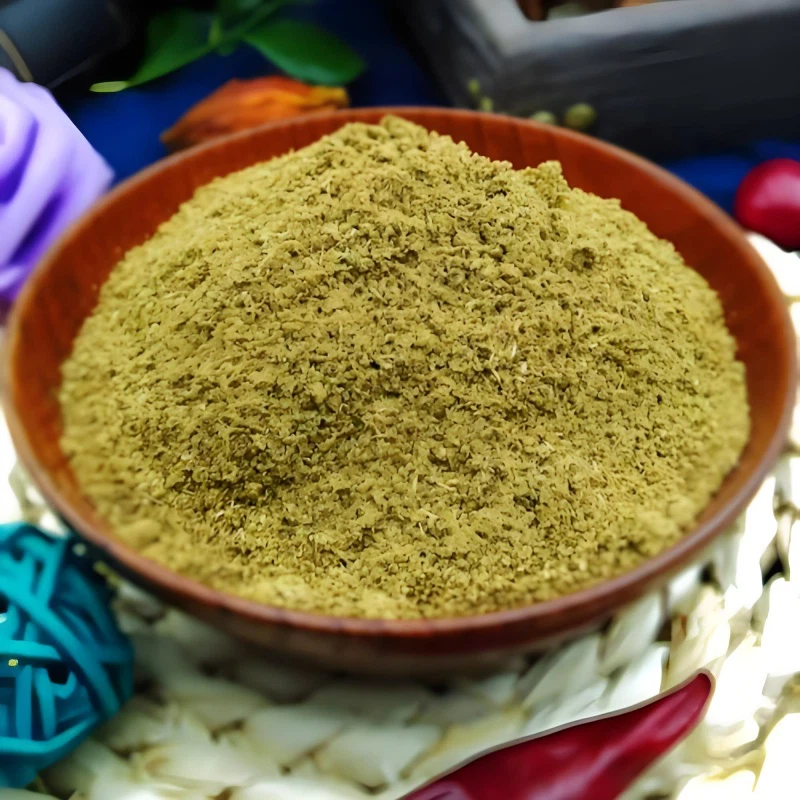

If you're interested in incorporating cumin into your diet to potentially benefit your blood sugar levels, there are many ways to do so. You can use ground cumin, pure cumin powder, cumin seeds, or cumin tea in your cooking. However, it's important to note that cumin should not be used as a substitute for medical treatment. If you have diabetes or prediabetes, it's important to work with your healthcare provider to manage your blood sugar levels and develop a comprehensive treatment plan.
As a cumin supplier, I am committed to providing high-quality cumin products that are sourced from the best farms and processed using the latest technology. If you're interested in learning more about our cumin products or have any questions about incorporating cumin into your diet, please feel free to contact me. I would be happy to discuss your needs and help you find the right cumin products for your business or personal use.
References
- Al-Habori, M., & Raman, A. (2002). Hypoglycaemic and hypolipidaemic effects of the aqueous extract of cumin (Cuminum cyminum) seeds in normal and streptozotocin-induced diabetic rats. Journal of Ethnopharmacology, 83(1-2), 139-144.
- Babu, P. S., & Srinivasan, K. (1997). Hypolipidaemic influence of cumin (Cuminum cyminum) seeds on rats. Journal of the Science of Food and Agriculture, 73(3), 321-327.
- Basu, S., & Maity, S. (2013). Antioxidant and anti-inflammatory properties of cumin (Cuminum cyminum L.) essential oil. Food and Chemical Toxicology, 57, 230-235.
- Gupta, R. K., & Sharma, S. (2010). Hypoglycaemic effect of cumin (Cuminum cyminum) seeds in streptozotocin-induced diabetic rats. Indian Journal of Physiology and Pharmacology, 54(3), 233-238.
- Jafari, M., & Hosseini, F. (2014). Effects of cumin (Cuminum cyminum) on glycemic control and lipid profile in patients with type 2 diabetes: A randomized, double-blind, placebo-controlled trial. Journal of Medicinal Food, 17(12), 1340-1345.
- Khan, A., & Abidi, P. (2012). Effect of cumin (Cuminum cyminum) on postprandial blood glucose and insulin responses in healthy volunteers. International Journal of Food Sciences and Nutrition, 63(6), 677-682.


