


Hey there! As a bay leaf supplier, I've got a ton of experience when it comes to these amazing little leaves. Bay leaves are super versatile and add a unique flavor to all sorts of dishes. And if you've got some fresh bay leaves and want to dry them at home, I'm here to guide you through the process.
First off, let's talk a bit about what bay leaves are. Bay leaves come from the Bay Laurel plant. You can check out more about the Bay Laurel on that link. These leaves have been used in cooking for ages, and they're a staple in many cuisines around the world.
So, why would you want to dry bay leaves at home? Well, dried bay leaves last way longer than fresh ones. You can keep them in your pantry for months and use them whenever you need to add that special touch to your soups, stews, or sauces. Plus, drying them at home gives you that satisfaction of doing it yourself and knowing exactly what you're putting in your food.
Picking the Right Bay Leaves
The first step in drying bay leaves at home is to pick the right ones. You want to choose fresh, healthy leaves. Look for leaves that are bright green, shiny, and free of any spots or blemishes. If you're lucky enough to have a Bay Laurel tree in your backyard, that's even better. Just go ahead and pluck the leaves yourself. But if not, you can usually find fresh bay leaves at your local farmers' market or grocery store.
When you're picking the leaves, make sure to handle them gently. You don't want to damage them, as that can affect the drying process and the final quality of the dried leaves. Also, try to pick the leaves in the morning when they're at their freshest.
Cleaning the Bay Leaves
Once you've got your fresh bay leaves, it's time to clean them. This is an important step because you want to get rid of any dirt, dust, or bugs that might be on the leaves. Fill a bowl with cool water and gently place the leaves in it. Swish them around a bit to loosen any debris. Then, carefully lift the leaves out of the water and place them on a clean towel. Pat them dry with another towel to remove as much moisture as possible.
Drying Methods
There are a few different ways to dry bay leaves at home. I'll go over the most common methods so you can choose the one that works best for you.
Air Drying
Air drying is the simplest and most traditional way to dry bay leaves. All you need is a well-ventilated area and some string or twine. First, tie the stems of a few bay leaves together with the string. Then, hang the bundle upside down in a dry, dark place. A pantry or a closet works great. Make sure the area has good air circulation so the leaves can dry evenly.
It usually takes about two to three weeks for the leaves to dry completely. You'll know they're ready when they're brittle and crumble easily when you touch them. Once they're dry, you can remove the leaves from the stems and store them in an airtight container.
Oven Drying
If you're in a hurry and don't want to wait a few weeks for the leaves to air dry, you can use your oven. Preheat your oven to the lowest setting, usually around 100°F to 120°F (38°C to 50°C). Place the clean, dry bay leaves on a baking sheet lined with parchment paper. Make sure the leaves are in a single layer and not touching each other.
Put the baking sheet in the oven and leave the door slightly ajar to allow the moisture to escape. Check on the leaves every 15 to 20 minutes. It usually takes about an hour to an hour and a half for the leaves to dry in the oven. Again, they're ready when they're brittle and crumbly.
Dehydrator Drying
If you have a food dehydrator, that's another great option for drying bay leaves. Set the dehydrator to a low temperature, around 95°F to 115°F (35°C to 46°C). Place the bay leaves on the dehydrator trays in a single layer.
The drying time in a dehydrator can vary depending on the model and the thickness of the leaves. It usually takes about four to six hours for the leaves to dry completely. Once they're dry, remove them from the dehydrator and let them cool before storing.
Storing Dried Bay Leaves
Once your bay leaves are dry, it's important to store them properly to keep them fresh and flavorful. The best way to store dried bay leaves is in an airtight container. You can use a glass jar with a tight-fitting lid or a plastic container. Make sure to label the container with the date so you know how long the leaves have been stored.
Store the container in a cool, dark place, like your pantry. Avoid storing the leaves near the stove or other sources of heat, as that can cause them to lose their flavor more quickly. When stored properly, dried bay leaves can last for up to a year.
Using Dried Bay Leaves
Now that you've got your dried bay leaves, it's time to start using them in your cooking. Dried bay leaves are a great addition to all sorts of dishes. They're commonly used in soups, stews, and sauces. Just add a few leaves to the pot while the dish is cooking, and let the flavors infuse.
You can also use dried bay leaves in marinades, brines, and rice dishes. They add a subtle, earthy flavor that really enhances the taste of the food. Just remember to remove the bay leaves before serving, as they can be a bit tough to chew.
Why Choose Our Bay Leaves
As a bay leaf supplier, I can tell you that our bay leaves are top-notch. We source our leaves from the best Bay Laurel plants, and we use the most careful drying methods to ensure that the leaves retain their flavor and aroma. Our Dried Laurel Leaves are perfect for all your cooking needs.
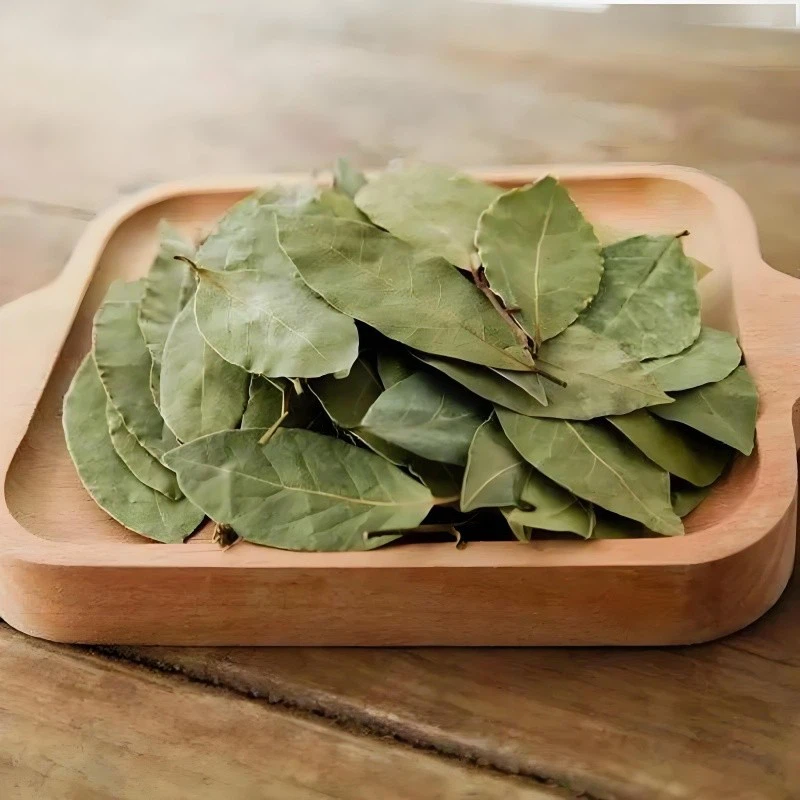

Whether you're a home cook or a professional chef, our bay leaves will add that extra something to your dishes. And because we're a supplier, we can offer you great prices and bulk options. So, if you're looking for high-quality dried bay leaves, look no further.
If you're interested in purchasing our bay leaves, we'd love to hear from you. Whether you're a small restaurant looking to add some authentic flavor to your dishes or a home cook who wants to stock up on the best bay leaves, we're here to help. Just reach out to us, and we can start a conversation about your needs and how we can work together.
References
- "The Complete Book of Herbs and Spices" by Jill Norman
- Various online resources on bay leaf cultivation and drying


