


Hey there, foodies! If you're a fan of curry, you've probably noticed that certain curries have this incredible depth of flavor that just makes your taste buds do a little happy dance. One of the unsung heroes behind that amazing flavor is the humble bay leaf. As a bay leaf supplier, I've seen firsthand how these little leaves can transform a simple curry into a culinary masterpiece. So, let's dive into how bay leaves contribute to the flavor of a curry.
The Basics of Bay Leaves
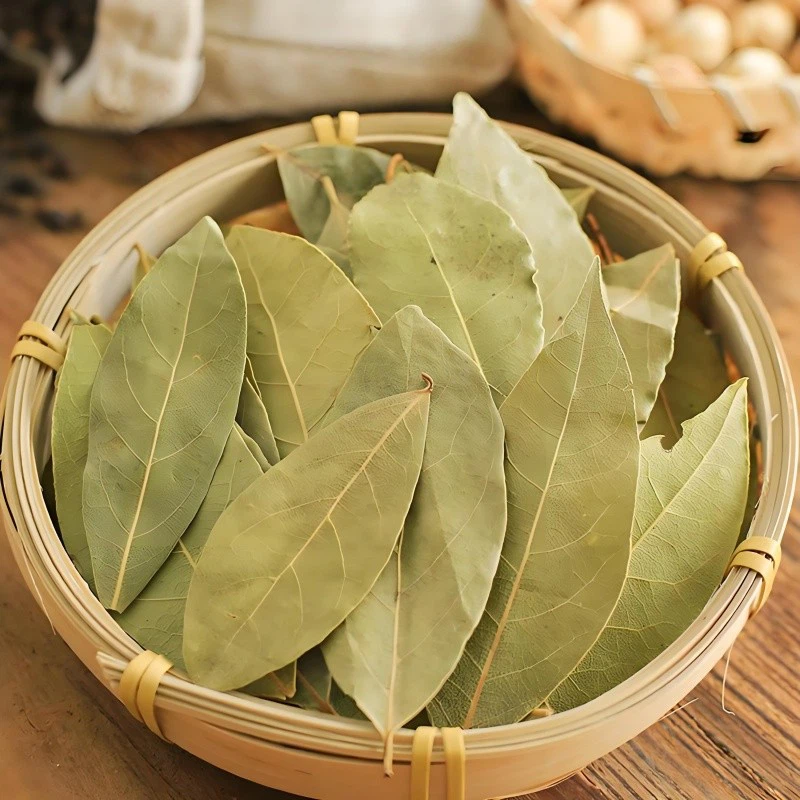
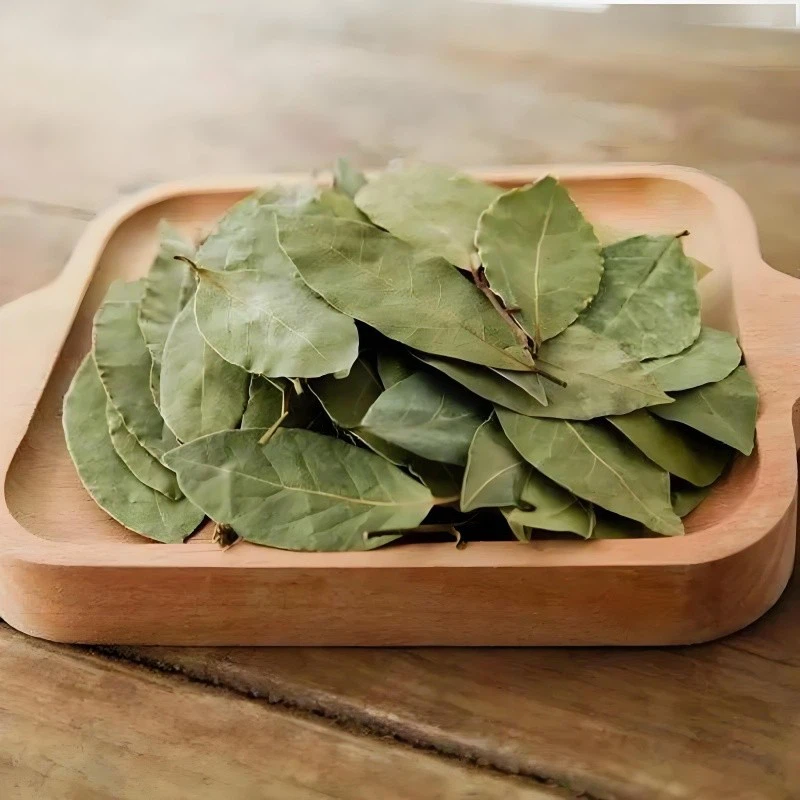
First off, what exactly are bay leaves? Well, bay leaves come from the Bay Laurel tree, which is native to the Mediterranean region. These leaves have been used in cooking for centuries, not just in curries but in a wide variety of dishes around the world. They're usually used dried, like the Dried Laurel Leaves that I supply.
Dried bay leaves have a really unique flavor profile. They're not super overpowering on their own, but they add a subtle, earthy, and slightly floral note to whatever dish they're in. When you break open a dried bay leaf, you can smell hints of clove, thyme, and even a bit of mint. It's this complex flavor that makes them so special in curries.
How Bay Leaves Work in a Curry
So, how do these leaves actually contribute to the flavor of a curry? Well, it all starts with the cooking process. When you add a bay leaf to a curry, you're essentially infusing the entire dish with its flavor. As the curry simmers, the heat releases the essential oils from the bay leaf into the sauce. These oils then mingle with all the other spices and ingredients in the curry, creating a harmonious blend of flavors.
One of the key things that bay leaves do is add a layer of depth to the curry. They give the curry a more rounded, complex flavor that you just can't get with other spices alone. For example, if you're making a simple chicken curry with just a few basic spices like cumin, coriander, and turmeric, adding a bay leaf can take it from a good curry to a great one. The bay leaf adds a background flavor that enhances all the other spices and makes the overall taste more interesting.
Another way bay leaves contribute to the flavor is by balancing out the spiciness in a curry. If you've ever made a curry that was a little too hot, you know how overwhelming that can be. Bay leaves have a calming effect on the palate and can help mellow out the heat from chili peppers. They add a bit of freshness and a touch of sweetness that counteracts the spiciness, making the curry more enjoyable to eat.
Different Types of Curries and Bay Leaves
Not all curries are created equal, and different types of curries can benefit from bay leaves in different ways. Let's take a look at a few popular types of curries and how bay leaves fit into the picture.
Indian Curries
Indian curries are known for their bold, complex flavors, and bay leaves are a common ingredient in many traditional Indian recipes. In a rich, creamy curry like a butter chicken, the bay leaf adds a subtle earthiness that complements the richness of the tomato sauce and the cream. It also helps to balance out the heat from the chili peppers and the spices like cardamom and cinnamon.
In a more spicy and tangy curry like a vindaloo, the bay leaf plays a different role. It helps to cut through the acidity of the vinegar and the sharpness of the mustard seeds, adding a smooth, mellow flavor to the dish. The bay leaf also enhances the overall aroma of the curry, making it even more enticing.
Thai Curries
Thai curries are famous for their fresh, vibrant flavors, and bay leaves can add an extra layer of complexity to these dishes. In a green curry, which is typically made with fresh herbs like lemongrass, kaffir lime leaves, and basil, the bay leaf adds a warm, earthy note that complements the freshness of the other ingredients. It also helps to round out the flavor of the curry paste, which can sometimes be a bit one-dimensional on its own.
In a red curry, which is usually spicier and has a more intense flavor, the bay leaf helps to balance out the heat and add a touch of sweetness. It also enhances the aroma of the curry, making it more fragrant and appealing.
Middle Eastern Curries
Middle Eastern curries often feature a combination of spices like cumin, coriander, and cinnamon, along with ingredients like chickpeas, lentils, and lamb. Bay leaves are a great addition to these curries because they add a subtle, floral flavor that complements the other spices. They also help to thicken the sauce slightly, giving the curry a more substantial texture.
In a Moroccan tagine, for example, the bay leaf adds a depth of flavor that enhances the sweetness of the dried fruits and the richness of the meat. It also helps to tie all the different flavors together, creating a cohesive and delicious dish.
Tips for Using Bay Leaves in Curries
Now that you know how bay leaves contribute to the flavor of a curry, here are a few tips for using them effectively in your cooking:
- Use dried bay leaves: Fresh bay leaves can be a bit too strong and have a slightly bitter taste. Dried bay leaves, on the other hand, have a more balanced flavor and are easier to work with.
- Add the bay leaf early: To get the most flavor out of the bay leaf, add it to the curry at the beginning of the cooking process. This allows the essential oils to be released slowly and infuse the entire dish.
- Don't overdo it: A little goes a long way with bay leaves. One or two leaves are usually enough for a medium-sized curry. Using too many bay leaves can make the curry taste bitter and overpowering.
- Remove the bay leaf before serving: Bay leaves are not meant to be eaten, so make sure to remove them from the curry before serving. They can be a choking hazard and have a tough, fibrous texture.
Conclusion
So, there you have it! Bay leaves are a simple yet powerful ingredient that can make a big difference in the flavor of a curry. Whether you're making an Indian, Thai, or Middle Eastern curry, adding a bay leaf can take your dish to the next level. As a bay leaf supplier, I'm passionate about providing high-quality bay leaves that can enhance the flavor of your favorite curries. If you're interested in purchasing bay leaves for your restaurant, catering business, or home kitchen, I'd love to hear from you. Let's start a conversation about how we can work together to bring the amazing flavor of bay leaves to your curries.
References
- McGee, H. (2004). On Food and Cooking: The Science and Lore of the Kitchen. Scribner.
- Peterson, R. T. (2017). The Spice House Book of Spice: A Cook's Guide to the World's Most Essential Ingredients. Running Press.


