


Can bay leaves be substituted with other herbs?
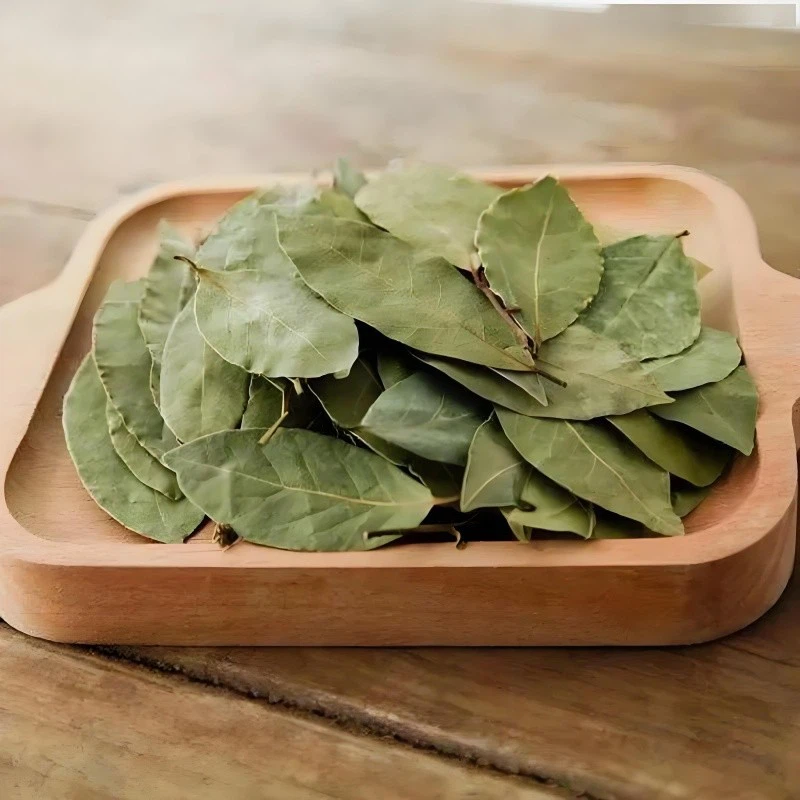
As a bay leaf supplier, I often get asked this question by customers who are either out of bay leaves or simply looking to experiment with different flavors in their cooking. Bay leaves, specifically those from the Bay Laurel plant, are a staple in many kitchens around the world, adding a unique, earthy, and slightly bitter flavor to a wide range of dishes. But what if you don't have any on hand? Can other herbs step in and fill the gap? Let's explore this topic in detail.
The Role of Bay Leaves in Cooking
Bay leaves, commonly sourced from the Bay Laurel, are known for their ability to enhance the overall flavor profile of a dish without overpowering other ingredients. They are typically used in long - simmering dishes such as soups, stews, and braises. When added to a dish early in the cooking process, bay leaves release their essential oils, which gradually infuse the food with a complex flavor. The flavor of bay leaves is subtle yet distinctive, and it can transform a simple dish into something more sophisticated.
Potential Substitutes for Bay Leaves
Thyme
Thyme is one of the most popular substitutes for bay leaves. It has a similar earthy and slightly minty flavor profile. Thyme is also a versatile herb that can be used in a variety of dishes, just like bay leaves. When substituting thyme for bay leaves, use about half a teaspoon of dried thyme for every bay leaf called for in a recipe. Thyme works well in soups, stews, and meat dishes. It pairs particularly well with beef, lamb, and chicken.

Oregano
Oregano is another herb that can be used as a substitute for bay leaves. It has a more pungent and slightly sweet flavor compared to bay leaves. Oregano is commonly used in Mediterranean cuisine, and it can add a robust flavor to tomato - based sauces, pasta dishes, and pizza. When using oregano as a substitute, use about a quarter - teaspoon of dried oregano for each bay leaf. However, be cautious as oregano can be quite strong, so it's best to start with a small amount and adjust to taste.
Sage
Sage has a strong, earthy, and slightly peppery flavor. It can be a good substitute for bay leaves in dishes that call for a more intense flavor. Sage is often used in stuffing, poultry dishes, and creamy sauces. When substituting sage for bay leaves, use about a third of a teaspoon of dried sage for each bay leaf. Sage can add a warm and savory note to your cooking, but like oregano, it should be used sparingly due to its strong flavor.
Rosemary
Rosemary has a piney, woody flavor that can be used as an alternative to bay leaves. It is a popular herb in Mediterranean and European cuisine. Rosemary works well in roasted meats, potatoes, and bread. When using rosemary as a substitute, use about a half - teaspoon of dried rosemary for every bay leaf. However, rosemary can be overpowering, so it's important to use it carefully and balance it with other flavors in the dish.
Considerations When Substituting
While these herbs can serve as substitutes for bay leaves, there are some important considerations to keep in mind. First, the flavor profiles of these substitutes are not exactly the same as bay leaves. Each herb brings its own unique flavor to the dish, which can slightly alter the taste of the final product. Second, the intensity of the flavors varies among the substitutes. Some herbs, like oregano and sage, are stronger than bay leaves, so you need to use them in smaller quantities.
Another factor to consider is the cooking time. Bay leaves are often added at the beginning of the cooking process to allow their flavors to develop slowly. When using substitutes, you may need to adjust the timing of their addition. For example, if using fresh herbs as substitutes, they are best added towards the end of the cooking process to preserve their fresh flavor.
The Value of Using Bay Leaves
Despite the availability of substitutes, there are many reasons why bay leaves are still a preferred choice in many kitchens. Bay leaves have a very mild and well - rounded flavor that doesn't dominate other ingredients. They are also known for their health benefits. Bay leaves contain antioxidants and have anti - inflammatory properties.
Our Dried Laurel Leaves are carefully sourced and processed to ensure the highest quality. They are harvested at the right time to capture the optimal flavor and aroma. When you use our bay leaves, you can be confident that you are getting a product that will enhance the flavor of your dishes in a unique and subtle way.
Conclusion
In conclusion, while there are several herbs that can be used as substitutes for bay leaves, each substitute has its own flavor profile and considerations. If you're in a pinch and don't have bay leaves on hand, thyme, oregano, sage, or rosemary can be viable alternatives. However, if you want the authentic flavor and unique benefits that bay leaves offer, it's always best to use them.
If you're interested in purchasing high - quality bay leaves for your culinary needs, we invite you to contact us for a procurement discussion. We are committed to providing the best products and services to our customers. Whether you're a home cook, a restaurant owner, or a food manufacturer, we have the right bay leaf solution for you.
References
- McGee, H. (2004). On Food and Cooking: The Science and Lore of the Kitchen. Scribner.
- The Spice House. (n.d.). Bay Leaves. Retrieved from [Website of The Spice House]
- HerbsInfo. (n.d.). Substituting Herbs in Recipes. Retrieved from [Website of HerbsInfo]


