


As a seasoned yellow onion supplier, I've witnessed the growing demand for dehydrated yellow onions in recent years. Dehydrated onions are not only convenient but also have a longer shelf - life, making them a staple in many kitchens and food processing industries. In this blog, I'll share the step - by - step process of dehydrating yellow onions, along with some tips and tricks to ensure the best results.
Why Dehydrate Yellow Onions?
Before delving into the dehydration process, it's important to understand why dehydrating yellow onions is a great idea. First and foremost, dehydration significantly extends the shelf - life of onions. Fresh yellow onions typically last a few weeks, but dehydrated onions can be stored for up to a year or more if properly sealed. This is a huge advantage for both consumers and food businesses.
Secondly, dehydrated onions are incredibly convenient. They take up less space in your pantry, and you don't have to worry about them spoiling quickly. They can be easily rehydrated by soaking in water for a few minutes and used in a variety of dishes, from soups and stews to casseroles and stir - fries.
Selecting the Right Yellow Onions
The first step in dehydrating yellow onions is to select the right ones. Look for onions that are firm, with dry, papery skins. Avoid onions that are soft, moldy, or have sprouted. The size of the onion doesn't really matter, but larger onions may take a bit longer to dehydrate.
Preparing the Onions
Once you've selected your onions, it's time to prepare them for dehydration. Start by peeling the onions. You can use a sharp knife to cut off the root and stem ends, and then peel away the outer skin. After peeling, rinse the onions under cold water to remove any dirt or debris.
Next, you'll need to slice or dice the onions. The thickness of the slices or the size of the dice will affect the dehydration time. For quicker dehydration, cut the onions into thin slices (about 1/8 to 1/4 inch thick) or small cubes. You can use a sharp knife or a mandoline slicer to get consistent results. If you're interested in pre - cut options, we also offer Yellow Onion Cubes which are ready for dehydration or immediate use.
Blanching (Optional but Recommended)
Blanching is the process of briefly immersing the onions in boiling water and then immediately cooling them in ice water. This step helps to stop the enzyme activity in the onions, which can cause them to lose their color, flavor, and nutrients over time. It also helps to remove any surface bacteria and makes the onions easier to dehydrate.
To blanch the onions, bring a large pot of water to a boil. Add the sliced or diced onions and let them boil for 1 - 2 minutes. Then, use a slotted spoon to transfer the onions to a bowl of ice water. Let them cool for a few minutes, and then drain them well.
Dehydrating the Onions
There are several methods you can use to dehydrate yellow onions:
Using a Dehydrator
A food dehydrator is the most convenient and efficient way to dehydrate onions. Set the dehydrator to a temperature between 125°F and 135°F (52°C and 57°C). Spread the sliced or diced onions in a single layer on the dehydrator trays, making sure they don't overlap.
The dehydration time can vary depending on the thickness of the slices and the humidity in your area. Generally, it takes about 6 - 12 hours for the onions to fully dehydrate. Check the onions periodically by taking a piece and breaking it. If it snaps easily, it's dry. If it bends or is still soft in the middle, it needs more time.
Using an Oven
If you don't have a dehydrator, you can use your oven to dehydrate the onions. Preheat your oven to the lowest temperature setting (usually around 170°F or 77°C). Line a baking sheet with parchment paper and spread the sliced or diced onions in a single layer on the sheet.
Prop the oven door open slightly to allow the moisture to escape. Check the onions every hour and turn them over to ensure even drying. It may take 8 - 16 hours for the onions to fully dehydrate in the oven.
Using the Sun
Sun - drying is an old - fashioned method of dehydrating food. However, it requires warm, dry weather and can take several days. Place the sliced or diced onions on a clean, flat surface, such as a screen or a tray covered with cheesecloth. Make sure the onions are in a sunny spot and protected from insects and dust.

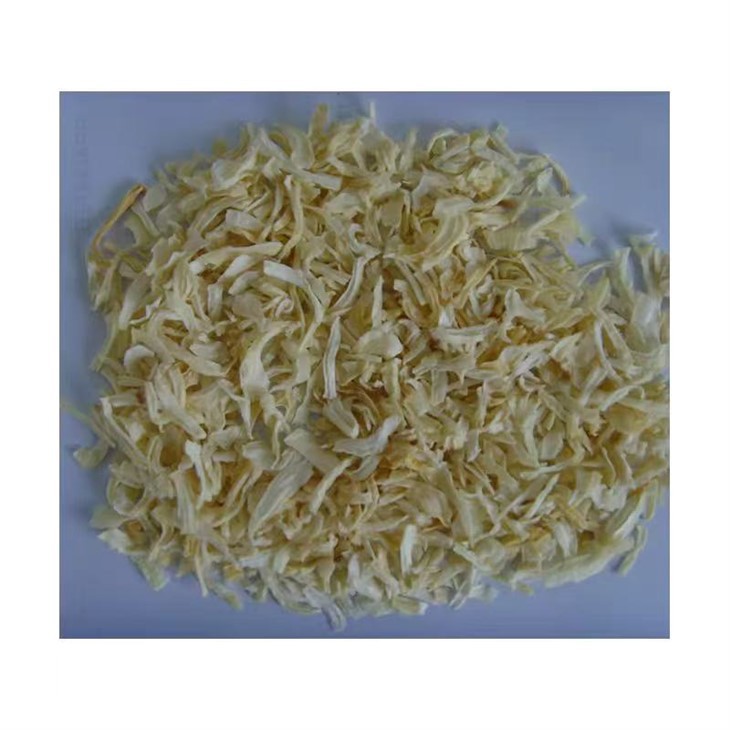
Turn the onions several times a day to ensure even drying. It may take 2 - 5 days for the onions to fully dehydrate in the sun, depending on the weather conditions.
Testing for Doneness
Regardless of the method you use, it's important to test the onions for doneness. The dehydrated onions should be completely dry, brittle, and have no signs of moisture. You can break a piece in half to check. If it snaps easily and there is no moisture inside, the onions are ready.
Storing Dehydrated Onions
Once the onions are fully dehydrated, let them cool completely. Then, transfer them to an airtight container, such as a glass jar or a plastic zip - lock bag. Store the container in a cool, dry, and dark place. Properly stored dehydrated onions can last for up to a year or more.
Using Dehydrated Onions
Dehydrated onions are incredibly versatile. You can rehydrate them by soaking them in warm water for 10 - 15 minutes. Once rehydrated, they can be used in any recipe that calls for fresh onions. You can also use them directly in dry rubs, spice blends, and soups without rehydrating.
In addition to our yellow onion products, we also offer White Onion Cubes and Red Onion Powder for those looking for different onion varieties.
Contact for Procurement
If you're a food business, restaurant, or simply someone who loves cooking with high - quality dehydrated onions, we'd love to hear from you. Our yellow onions are sourced from the best farms and processed with the utmost care to ensure the highest quality. Whether you need a small quantity for your home kitchen or a large order for your business, we can meet your needs. If you're interested in discussing procurement options, feel free to reach out and start a conversation.
References
- USDA Food Preservation Guide
- University of California Cooperative Extension: Home Drying Foods
- "The Joy of Preserving" by Janet Greene


