


Can yellow onion be used in fish dishes? This is a question that has intrigued home cooks and professional chefs alike for a long time. As a yellow onion supplier, I've had the privilege of witnessing firsthand the versatility of this humble yet remarkable ingredient. In this blog post, I'll explore the compatibility of yellow onions with fish dishes, delving into the science, culinary traditions, and practical tips to help you make the most of this combination.
The Science Behind the Flavor Pairing
Yellow onions, scientifically known as Allium cepa, are a staple in many cuisines around the world. They possess a rich, complex flavor profile that combines sweetness, pungency, and a hint of bitterness. This unique flavor is due to a variety of chemical compounds, including sulfur-containing compounds, which are responsible for the characteristic onion aroma and taste.
Fish, on the other hand, has a delicate and often mild flavor. The key to a successful fish dish lies in enhancing the natural flavors of the fish without overpowering them. Yellow onions can play a crucial role in achieving this balance. The sweetness of the yellow onion can complement the natural sweetness of the fish, while the pungency can add a layer of depth and complexity to the dish.
One of the reasons why yellow onions work so well with fish is their ability to mellow and caramelize when cooked. When yellow onions are sautéed or roasted, the natural sugars within them begin to break down, resulting in a sweet and savory flavor. This caramelization process can help to enhance the overall flavor of the fish dish, creating a harmonious blend of flavors.
Culinary Traditions
Yellow onions have been used in fish dishes for centuries in various culinary traditions around the world. In Mediterranean cuisine, for example, yellow onions are often used in fish stews and soups, such as bouillabaisse. The onions are sautéed with garlic and tomatoes to create a flavorful base, which is then combined with a variety of fish and shellfish. The result is a rich and hearty dish that is bursting with flavor.
In Asian cuisine, yellow onions are commonly used in stir-fries and curries with fish. In Thai cuisine, for instance, yellow onions are often paired with lemongrass, galangal, and kaffir lime leaves to create a fragrant and spicy sauce for fish. The onions add a sweet and savory element to the dish, balancing out the heat and acidity of the other ingredients.
In American cuisine, yellow onions are a popular choice for fish tacos and fish sandwiches. The onions are typically sliced thinly and sautéed until they are soft and caramelized, then added to the fish along with other toppings such as lettuce, tomatoes, and salsa. The sweet and savory flavor of the onions complements the crispy texture of the fried fish, creating a delicious and satisfying meal.
Practical Tips for Using Yellow Onions in Fish Dishes
Now that we've explored the science and culinary traditions behind using yellow onions in fish dishes, let's take a look at some practical tips to help you make the most of this combination.
- Choose the Right Type of Fish: Not all fish are created equal when it comes to pairing with yellow onions. Generally, mild and flaky fish such as cod, haddock, and tilapia are good choices, as they can easily absorb the flavors of the onions without being overpowered. However, you can also experiment with other types of fish, such as salmon or tuna, depending on your personal taste preferences.
- Prepare the Onions Properly: To get the most flavor out of your yellow onions, it's important to prepare them properly. Start by peeling the onions and slicing them thinly or chopping them into small pieces, depending on the recipe. If you're sautéing the onions, heat a small amount of oil or butter in a pan over medium heat, then add the onions and cook them slowly, stirring frequently, until they are soft and translucent. This process can take anywhere from 5 to 10 minutes, depending on the size of the onion pieces.
- Don't Overcook the Fish: When cooking fish with yellow onions, it's important not to overcook the fish. Fish cooks quickly, and overcooking can result in a dry and tough texture. As a general rule, cook the fish for about 10 minutes per inch of thickness, flipping it over halfway through the cooking process. You can also use a meat thermometer to ensure that the fish is cooked to the proper temperature.
- Add Other Flavors: While yellow onions can add a lot of flavor to a fish dish on their own, you can also enhance the flavor by adding other ingredients. Some popular choices include garlic, herbs (such as parsley, thyme, or rosemary), lemon juice, and spices (such as paprika, cumin, or chili powder). Experiment with different combinations of flavors to find your favorite.
Our Yellow Onion Products
As a yellow onion supplier, we offer a range of high-quality yellow onion products that are perfect for use in fish dishes. Our Yellow Onion Cubes are pre-cut and ready to use, making them a convenient option for busy home cooks and professional chefs. They are made from fresh, hand-selected yellow onions and are frozen at the peak of freshness to preserve their flavor and nutritional value.
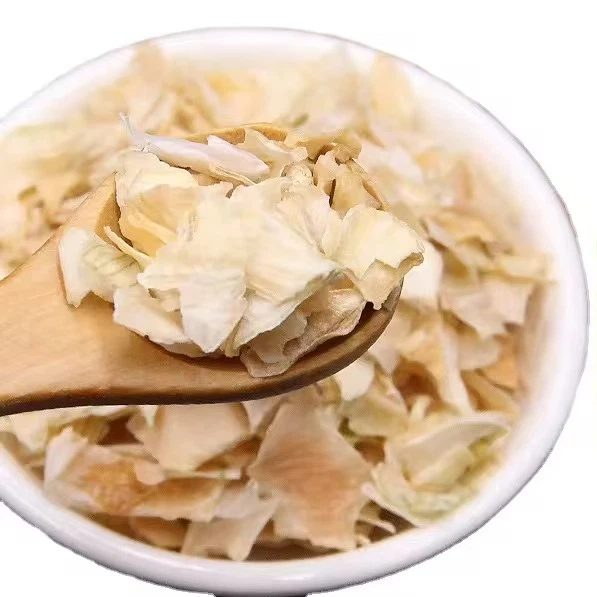

In addition to our yellow onion cubes, we also offer White Onion Cubes and Red Onion Powder. Our white onion cubes have a milder and sweeter flavor than yellow onions, making them a great choice for dishes where you want a more subtle onion flavor. Our red onion powder is a convenient way to add a burst of flavor to your fish dishes without having to chop or slice fresh onions.
Conclusion
In conclusion, yellow onions can be a great addition to fish dishes. Their rich, complex flavor profile and ability to mellow and caramelize when cooked make them a versatile and delicious ingredient that can enhance the natural flavors of the fish. Whether you're a home cook looking to try something new or a professional chef looking to add a new twist to your menu, I encourage you to experiment with using yellow onions in your fish dishes.
If you're interested in learning more about our yellow onion products or would like to discuss a potential procurement, please feel free to reach out. We're always happy to help and look forward to the opportunity to work with you.
References
- McGee, H. (2004). On Food and Cooking: The Science and Lore of the Kitchen. Scribner.
- Peterson, J. (2018). Fish & Shellfish: The Comprehensive Guide to Buying, Cooking, and Eating the World's Best Seafood. William Morrow.
- Tanor, J. (2019). The New Mediterranean Table: Recipes from the World's Healthiest Cuisine. Houghton Mifflin Harcourt.


