


As a red onion supplier deeply entrenched in the produce industry, I often encounter a multitude of questions from customers, chefs, and fellow suppliers alike. One query that surfaces with surprising frequency is, "Can red onions be frozen?" This seemingly simple question opens the door to a complex exploration of food preservation, culinary applications, and the unique characteristics of red onions. In this blog post, I'll draw on my years of experience and industry knowledge to provide a comprehensive answer.
The Science Behind Freezing Red Onions
Before delving into the freezing process, it's essential to understand the composition of red onions. Red onions, like all onions, are primarily composed of water, which accounts for approximately 89% of their weight. They also contain enzymes, sugars, and other organic compounds that contribute to their flavor, color, and texture. When an onion is frozen, the water within its cells turns into ice crystals. These ice crystals can cause the cell walls to rupture, leading to a change in texture once the onion thaws.
The enzymes in red onions continue to be active even at low temperatures. While freezing can slow down their activity, it doesn't completely stop it. Over time, these enzymes can break down the onion's cellular structure, further altering its texture and flavor. However, if frozen and thawed correctly, red onions can still retain a significant portion of their taste and nutritional value.

The Freezing Process
If you've decided to freeze red onions, here's a step-by-step guide to ensure the best results:
- Choose the Right Onions: Select fresh, firm red onions without any signs of spoilage or damage. The quality of the onions before freezing will directly impact their quality after thawing.
- Prepare the Onions: Start by peeling the onions and removing any outer layers that are discolored or damaged. You can then chop, slice, or dice the onions according to your intended use. Smaller pieces freeze more quickly and evenly, reducing the formation of large ice crystals.
- Blanching (Optional): Blanching involves briefly immersing the onions in boiling water, followed by an immediate plunge into ice water. This process helps to deactivate the enzymes that can cause flavor and texture changes during freezing. However, blanching can also leach out some of the onion's nutrients and flavor, so it's a step that you can skip if you prefer to preserve the onion's natural taste.
- Package the Onions: Place the prepared onions in airtight containers or freezer bags. Remove as much air as possible from the packaging to prevent freezer burn. Label the containers with the date of freezing and the quantity of onions inside.
- Freeze the Onions: Place the packaged onions in the freezer at a temperature of 0°F (-18°C) or below. The onions should freeze solid within a few hours.
Using Frozen Red Onions
Frozen red onions can be used in a variety of culinary applications, although their texture will be softer than fresh onions. Here are some tips on how to use them effectively:
- Cooking: Frozen red onions are best suited for cooked dishes such as soups, stews, sauces, and stir-fries. The heat from cooking helps to break down the softened texture of the onions, allowing them to blend seamlessly with other ingredients.
- Sautéing: When sautéing frozen red onions, it's important to add them directly to the pan without thawing. This helps to prevent them from becoming mushy. Cook the onions over medium heat, stirring frequently, until they are tender and translucent.
- Baking: Frozen red onions can also be used in baked dishes such as quiches, frittatas, and casseroles. Simply add the frozen onions to the dish during the cooking process, and they will thaw and cook along with the other ingredients.
Advantages and Disadvantages of Freezing Red Onions
Like any food preservation method, freezing red onions has its pros and cons.
Advantages
- Convenience: Freezing red onions allows you to have them on hand whenever you need them, eliminating the need to make frequent trips to the grocery store.
- Reduced Waste: By freezing excess red onions, you can prevent them from spoiling and going to waste.
- Cost Savings: Buying red onions in bulk and freezing them can be a cost-effective way to stock up on this versatile ingredient.
Disadvantages
- Texture Changes: As mentioned earlier, freezing can cause red onions to become softer and lose some of their crunch. This may not be desirable in dishes where a firm texture is required.
- Flavor Alterations: Over time, the flavor of frozen red onions may become slightly muted. However, this can be minimized by using proper freezing and storage techniques.
- Limited Raw Use: Frozen red onions are not suitable for raw applications such as salads or sandwiches, as their texture will be too soft.
Our Red Onion Products
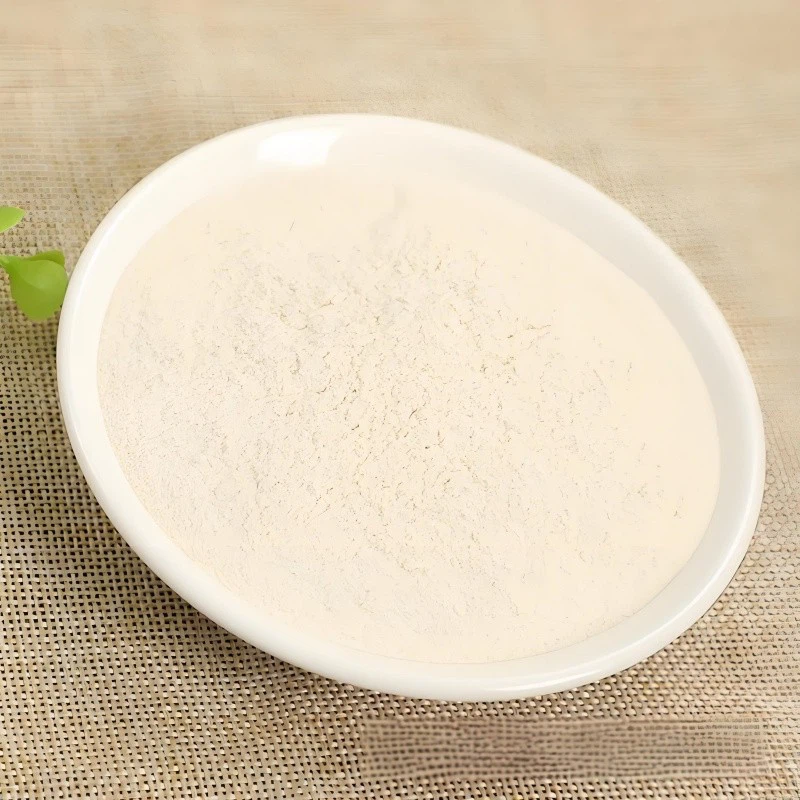
As a red onion supplier, we offer a wide range of red onion products to meet the diverse needs of our customers. In addition to fresh red onions, we also provide White Onion Powder, Red Onion Shreds, and Yellow Onion Shreds. Our products are carefully selected and processed to ensure the highest quality and flavor.
If you're interested in learning more about our red onion products or have any questions about freezing red onions, please don't hesitate to contact us. We're always happy to assist you with your procurement needs and provide expert advice on using red onions in your culinary creations.
Conclusion
In conclusion, red onions can indeed be frozen, but it's important to understand the science behind the process and take the necessary steps to ensure the best results. By following the guidelines outlined in this blog post, you can successfully freeze red onions and enjoy their flavor and nutritional benefits year-round. Whether you're a home cook looking to save time and money or a professional chef in need of a reliable supply of red onions, we're here to help. Contact us today to discuss your procurement needs and discover the difference that our high-quality red onion products can make.
References
- "Onions: Botany, Production and Uses." Edited by Graham B. Fennell. CABI, 2004.
- "The Science of Good Food: Understanding the Chemistry and Physics of Cooking." By Harold McGee. Scribner, 2004.
- "Food Preservation: Principles and Practices." By Maria L. Bosch. CRC Press, 2014.


